Zarangollo & Michirones: Murcia's Underrated Summer Dishes
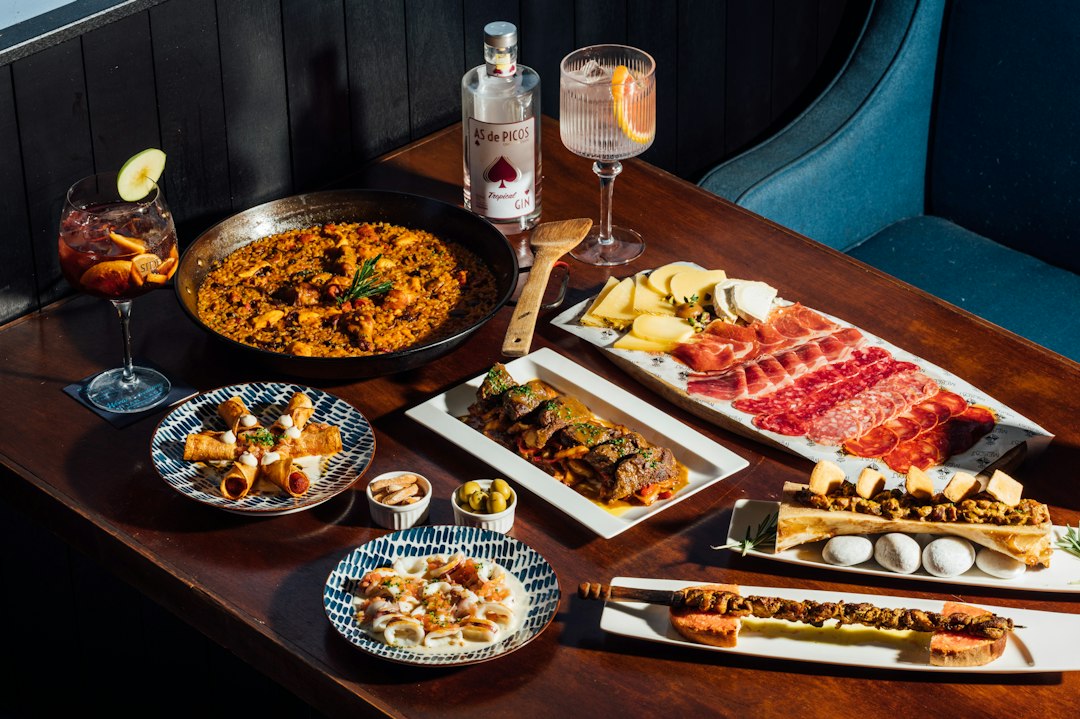
Ask ten tourists strolling the paseo in Los Alcázares what zarangollo is and nine will guess wrong. The tenth will say "some kind of paella" and also be wrong. It's a shame, because this dish (and its stranger cousin, michirones) are what Murcianos actually eat in July, while the visitors are queuing for sangria and generic tapas boards that could be served in any Spanish resort town.
Neither dish photographs particularly well, which is probably why they never make it onto the laminated tourist menus near the marina. That's exactly why you should be ordering them.
Zarangollo: the courgette dish that isn't trying to impress anyone
Zarangollo is courgette, onion and egg, fried slowly and scrambled together until it's somewhere between an omelette and a stew. That's it. No saffron, no showmanship. It's peasant food from the huerta (the market-garden plains that ring Murcia city), built around whatever vegetables were cheap and plentiful that week.
In summer, that means courgettes, and Murcia grows a lot of them. Drive out towards Fuente Álamo or Torre Pacheco and you'll pass field after field of them under plastic tunnels. The dish exists because someone had to do something with the glut, and what they came up with is better than it has any right to be.
Good zarangollo is soft, slightly sweet from the onion, and never watery. That last point matters: a lot of places rush it and you end up with a wet mess. The proper version is cooked low and slow until the courgette breaks down almost to a purée before the egg goes in. If you're eating around Santiago de la Ribera or San Javier, ask if it's homemade ("casero") before you order. If the waiter hesitates, order something else.
How locals actually eat it
Not as a main course. Zarangollo is a starter, a side, or a filling for a bocadillo (roll) at breakfast, which sounds odd until you try a warm zarangollo sandwich at 11am with a café cortado. It's also a fixture on the menú del día boards you'll spot around Los Alcázares and inland towns like Torre Pacheco, usually written by hand and usually cheaper than anything with the word "menu" printed in three languages.
Michirones: the bar snack that scares off newcomers
If zarangollo is gentle, michirones is the opposite. It's dried broad beans (habas secas), soaked overnight and then stewed for hours with chorizo, black pudding (morcilla), ham bone, bay leaf and a serious hit of dried chilli (guindilla or cayenne). The result is dark, thick, spicy and completely unlike anything else served as a bar snack in Spain.
It's a Murcia-only thing, and specifically a Murcia-city and inland thing, though you'll find it on menus around Cartagena and increasingly in bars near the Mar Menor as more Murcianos move to the coast. It's served in a small bowl, eaten with a toothpick or small fork, and it's meant to be shared while you're standing at the bar rather than sitting for a full meal.
What throws people off is the texture. The beans hold their shape but the stewing liquid is rich and almost sticky, closer to a slow-cooked ragu than a soup. Combined with the chilli kick, it's a dish built for slow drinking, not fast eating. Order it with a cold caña (small beer) rather than wine. The bitterness of the beer cuts through the fat and heat far better.
Where to track them down near Roda Golf
You won't find either dish reliably on any restaurant's English-language menu. Your best bet is the older, unfussy bars away from the marina strip, the kind with a hand-written pizarra (chalkboard) and regulars who've been sitting in the same seat for twenty years. Los Alcázares has a handful of these tucked back from the seafront, and the Wednesday mercadillo (street market) is also a decent barometer: stallholders often point you towards whichever local bar does the best michirones, because they've usually just eaten there themselves.
San Javier's older streets around the church have a few no-frills bars that do a solid zarangollo, and if you're heading into Murcia city itself for a day out, the tapas bars around Plaza de las Flores are the classic hunting ground for both dishes done properly. It's worth the drive if you're staying longer term and want to understand what the locals actually cook at home versus what gets served to visitors.
Cooking them yourself
If you're renting a villa or apartment with a kitchen, both dishes are forgiving to make. Zarangollo needs nothing you can't buy at any Consum or Mercadona: courgettes, onions, eggs, olive oil, salt. Slice the courgette thin, fry the onion until soft first, add the courgette and let it cook down properly (twenty minutes minimum, don't rush it), then scramble in the eggs off the heat so they don't overcook.
Michirones is more of a project since the beans need soaking overnight and a couple of hours on the hob, so it's better suited to an evening you're staying in rather than a quick lunch. Dried habas secas and the right chilli aren't always easy to find outside Murcia, so if you're self-catering during a stay, it's worth picking up a bag at a local market rather than trying to bring ingredients from home.
Either way, these are the dishes that make a self-catering stay worth it. If you're browsing holiday rentals near Roda Golf for a summer trip, look for one with a decent kitchen and skip the villas that only have a token hob and no real workspace. It's the difference between eating well for a fortnight and living off restaurant menus the whole time.
For more on what else the area has going for it beyond the golf courses, our guide to the Roda Golf area covers the practical side of living and eating locally. And if you want recommendations tailored to where you're staying, get in touch through our enquiry page and we'll point you towards the right bars for the week you're here.
You might also enjoy reading about La Marinera: Cartagena's Cult Tapa and Where to Try It.
You might also enjoy reading about 5 Mar Menor Seafood Shacks Worth the Drive From Roda Golf.
You might also enjoy reading about 5 Best Ice Cream Spots Near Roda Golf to Beat August's Heat.
You might also enjoy reading about We Joined the September Grape Harvest at a Jumilla Bodega.
You might also enjoy reading about Caldero Night: Cooking Mar Menor's Rice Dish This September.
You might also enjoy reading about We Joined San Javier's Autumn Tapas Route for a Cool Evening.
You might also enjoy reading about We Foraged Wild Mushrooms in Sierra Espuña This September.
You might also enjoy reading about 5 Murcian Autumn Dishes to Try Near Roda Golf This October.
You might also enjoy reading about How to Order a Menú del Día Like a Local Near Roda Golf.
Roda Golf Team
The official Roda Golf and Beach Resort team, bringing you the latest news, tips, and insights about life at the resort.