5 Murcian Autumn Dishes to Try Near Roda Golf This October
Which would you rather have after eighteen holes in October: a salad, or a pot of rice that's been simmering since noon? Locals around Roda Golf wouldn't hesitate. Once the temperature drops below 25 and the first rain clears the air, the menus around the Mar Menor change, and the lighter summer plates give way to things cooked slowly and served in quantity.
I've eaten my way through most of these dishes over the years in Los Alcázares, San Javier and Santiago de la Ribera. Here are five worth ordering this month, compared honestly, with a clear favourite at the end.
The Rice and the Beans: Caldero vs Michirones
Caldero del Mar Menor
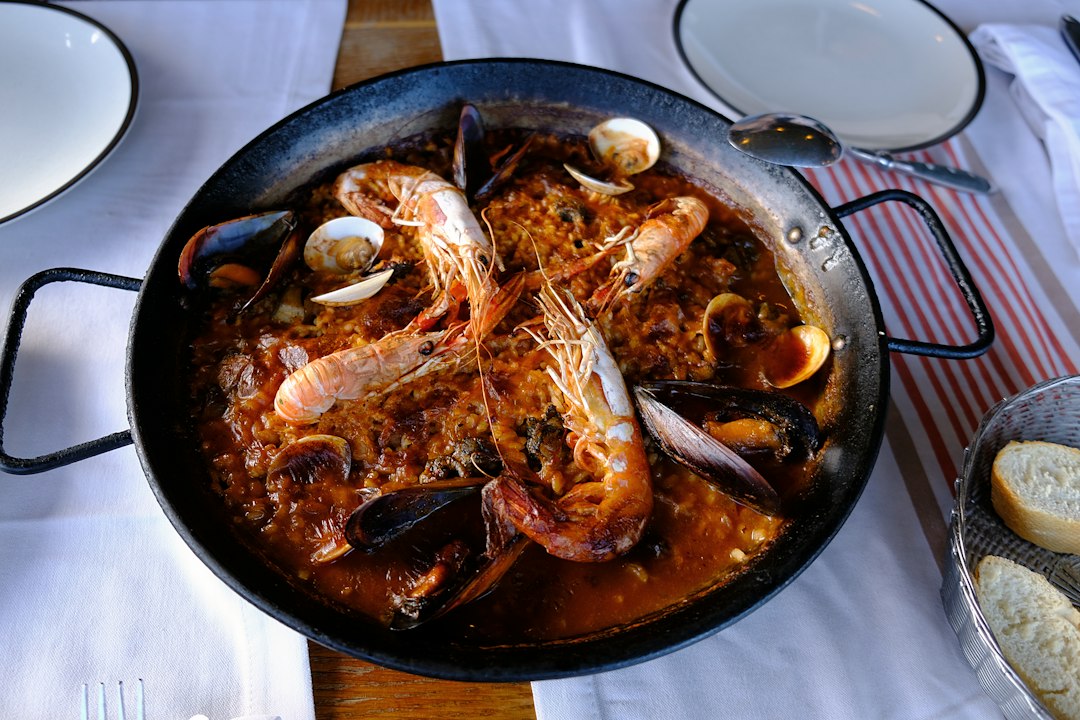
This is the dish of the lagoon. Rice is cooked in a rich fish stock flavoured with ñora (a dried sweet red pepper), garlic and saffron, and it's traditionally made with fish from the Mar Menor itself. It arrives with a bowl of allioli on the side, and you stir in as much as your conscience allows.
The good: deep, savoury and genuinely regional. You won't find it done properly in many other parts of Spain. The catch: a good one takes time, so most places want you to order it for two or more, and you often have to book ahead. Don't expect it to turn up in ten minutes at a chiringuito.
Michirones
Dried broad beans stewed with ham bone, chorizo and a little hot chilli, usually served in a clay dish in the middle of the table. It's humble, salty and warming, and it's a standard bar-menu item in Lo Pagán and San Javier from about now until March.
The good: cheap, quick to arrive and perfect as a sharing starter. The catch: it's heavy. Order it as a main and you'll be asleep before the coffee, though in Spain that's what the siesta is for.
Head to head, caldero is the more special meal, but michirones is the one you'll actually eat most weeks. If it's your first autumn here, start with the beans and save the rice for a proper occasion.
The Slow Stews: Olla Gitana vs Cocido con Pelotas
Both of these are what Murcian grandmothers cook when the evenings turn cold, and both are proper spoon-and-bread dishes. They're also very different in character.
Olla gitana
A vegetable stew, despite sounding like a meat dish. It's built around chickpeas, pumpkin, pear, green beans and sweetcorn, usually with a little pork for depth. The pear sounds odd, but it gives a gentle sweetness that cuts through the earthiness of the pulses.
The good: lighter than you'd expect, and one of the few dishes here that's genuinely seasonal. It's also very forgiving for vegetarian-leaning guests if you ask for it without the pork. The catch: restaurants vary wildly, and a lazy version can taste like boiled vegetables.
Cocido con pelotas
The Murcian take on the Spanish cocido: chickpeas, potato, pork and chicken, with the star being the pelotas, large meatballs made with minced pork, breadcrumbs, egg, parsley and spices. They're simmered right in the broth and have a texture closer to a dumpling than a burger.
The good: properly comforting, and the broth is often served first as a soup, so you get two courses from one pot. The catch: it's a lunchtime dish. Order it at 9pm and you'll get a polite refusal, or a very long night.
My honest preference is the olla gitana. It's the more unusual of the two, and the pumpkin and pear combination tastes like October in this region. The cocido is excellent, but you can find versions of it all over Spain.
The Sweet Finish, and My Verdict
Paparajotes
Lemon leaves are dipped in a light batter, fried, then rolled in sugar and cinnamon. You eat the batter and leave the leaf, which tourists occasionally forget and then chew with a very brave face. The lemon oil in the leaf perfumes the batter as it cooks, and the result is crisp, warm and not remotely heavy.
They're a Murcian original, and a far better end to a rich lunch than a standard flan. Share one plate between the table, because everyone will want a bite and nobody needs a full portion after a stew.
The ranking
If I had to put these in order for a first-time visitor in October, it would go like this:
- Caldero: the dish that says Mar Menor most clearly, worth the planning.
- Olla gitana: the most seasonal, and the one that surprises people.
- Michirones: the easiest win, and the best value.
- Paparajotes: the best dessert on the coast.
- Cocido con pelotas: superb, but needs a lunchtime slot and an empty afternoon.
How to Fit Them Into a Golf Week
Autumn rounds at Roda start earlier than in summer, which suits the Spanish lunch clock rather well. Finish a morning round, shower, and you'll land in a restaurant between 1:30 and 2:30pm, exactly when kitchens in Los Alcázares are serving their stews and rice dishes properly. Check the golf courses around Roda for tee-time options, and plan the heavier dishes for the days you aren't playing a second round.
For caldero, ring the restaurant the day before and ask what time they'll serve it. For everything else, go where the lunchtime menu del día is chalked up outside, because that's where the locals are eating. Most cost between 12 and 16 euros and include a drink, bread and dessert.
Staying nearby makes all of this easier, particularly if you want a taxi home after a glass or two of Jumilla red. Have a look at holiday rentals near Roda Golf if you're planning an autumn trip, or read our guide to the Roda and Mar Menor area to work out which village suits your appetite. And if you want more ideas on where to eat, our food and drink posts cover the rest of the coast.
Order the michirones, share the paparajotes, and book the caldero. You won't regret any of them.
Roda Golf Team
The official Roda Golf and Beach Resort team, bringing you the latest news, tips, and insights about life at the resort.