Caldero Night: Cooking Mar Menor's Rice Dish This September
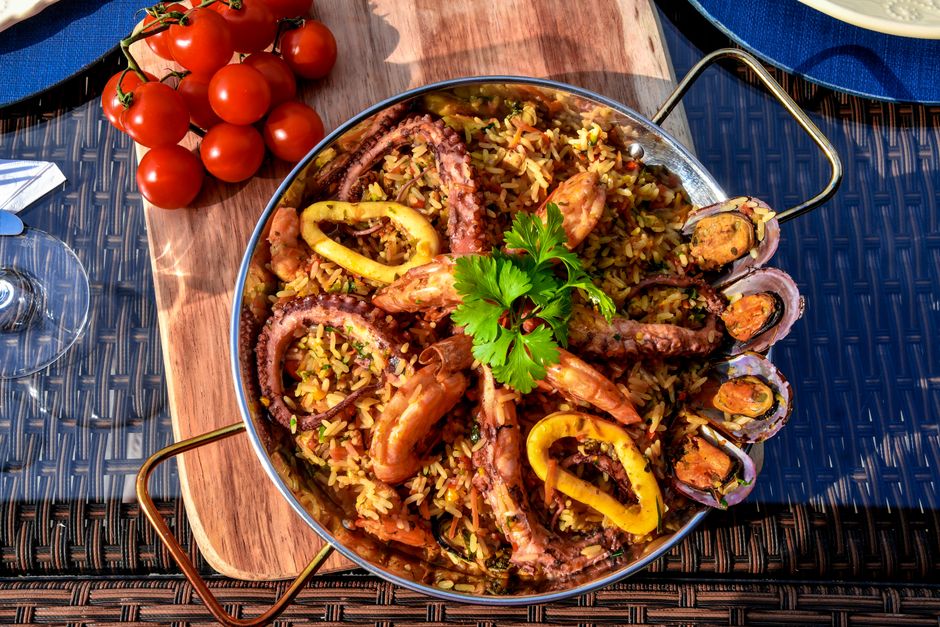
A proper caldero takes patience, a decent fish stock, and a wide, shallow pot you probably don't own yet. Buy one anyway. This is the dish that separates people who cook fish in Spain from people who just eat it in restaurants, and September is the month to learn it. The mullet and gallineta are running well in the Mar Menor right now, the tourist crowds have thinned out at the fish counters, and the evenings are cool enough to stand over a hot pot for an hour without melting. If you're staying in one of the holiday rentals near Roda Golf with a proper kitchen and an outdoor terrace, this is worth a Saturday night.
Caldero isn't paella. Forget the saffron, forget the wide flat pan. This is a Murcian fisherman's dish built around a rich broth made from the fish itself, with rice cooked in that broth afterwards so it soaks up every bit of flavour. It comes from the boats that used to work out of San Pedro del Pinatar and the villages round the Mar Menor, and it's still cooked the same way in most chiringuitos along this coast. Doing it at home isn't hard. Getting the broth right is the only part that actually matters.
What You Need Before You Start
Get a caldero pot if you can find one (most Chinese bazaars and hardware shops in Los Alcázares and San Javier stock them cheaply), but a wide, heavy-based casserole works fine too. You need rock fish for the stock: gallineta, cabracho, or the heads and trimmings from mullet if your fishmonger will sell them. Ask for morralla, the mixed small fish used for stock, at the fish counter in Mercadona or better still the Wednesday market in Los Alcázares. For the rice stage you want a whole meaty fish cut into steaks, dorada or mullet work well, plus short-grain rice (calasparra if you can get it, since it's grown less than an hour from here), ripe tomatoes, garlic, a ñora pepper or two, and a good glug of olive oil.
Alioli isn't optional. Every caldero gets served with a spoonful on the side, and making your own with garlic, egg yolk and oil takes ten minutes.
Cooking It Properly
- Fry the morralla and fish trimmings hard in plenty of olive oil until they colour, then add chopped tomato, garlic and a soaked, deseeded ñora pepper. Cook this down for ten minutes.
- Cover with water (about a litre and a half for four people), bring to the boil, then simmer for 30 to 40 minutes. Don't rush this bit, it's where the flavour comes from.
- Strain the broth through a sieve, pressing the solids to get every drop out, then discard the bones and skin.
- Return the broth to the pot, bring back to a rolling simmer, and poach your fish steaks in it for five minutes. Lift them out and keep warm.
- Add the rice to the same broth, roughly 100g per person, and cook uncovered without stirring for 18 to 20 minutes until the liquid's absorbed and the rice has a slightly toasted base.
- Rest it for five minutes off the heat before serving with the fish on top and alioli on the side.
The rice should come out slightly wetter than paella and with real bite to it. If it looks dry halfway through, add a splash more hot broth rather than water, water dilutes everything you just built.
Where to Get the Fish Right
Don't buy your fish from a supermarket freezer for this one. The Wednesday market in Los Alcázares has a fish stall that sells same-morning catch from Cabo de Palos and Santiago de la Ribera, and the stallholders will bone, fillet or portion anything if you ask nicely in basic Spanish. Lo Pagan's smaller daily market is worth the drive too if you're heading that way for the mud baths. Failing that, the fish counter at the Los Alcázares Mercadona is decent and the staff know what morralla is even if it's not always on display, you just have to ask.
September is genuinely a good month for this because the Mar Menor's mullet stocks build up through late summer, and prices at the local markets tend to soften once the August holiday rush eases off. You'll pay noticeably less for a kilo of rock fish now than you would three weeks ago.
Skip the Cooking, Eat It Instead
If a two-hour cook isn't how you want to spend an evening, plenty of places round here do caldero properly. Most of the seafront chiringuitos between Los Alcázares and Santiago de la Ribera have it on the menu from September onwards as the kitchens shift away from the quick salads and grilled sardines of peak summer. It's usually a dish for two, cooked to order, so ring ahead if you're going on a weekend.
Either way, it's a proper reason to stick around this coast into autumn rather than treating September as an afterthought. Check our guide to the Mar Menor area if you're new to the region and want to know which towns are worth building an evening around. And if this has you thinking about a longer stay to actually get the hang of Murcian cooking, a round or two at one of the courses on our golf courses near Roda Golf page makes a decent excuse to justify the trip. For more on what's good to eat locally this month, our food and drink section has the rest of what we've tried and liked. Questions about renting somewhere with a kitchen built for this kind of cooking, get in touch through our contact page and we'll point you the right way.
You might also enjoy reading about Los Narejos vs Los Alcázares: Best Family Beach for September.
You might also enjoy reading about How to Read Roda Golf's Greens During September Overseeding.
You might also enjoy reading about We Joined Murcia City's September Feria for a Day Trip.
You might also enjoy reading about We Joined San Javier's Autumn Tapas Route for a Cool Evening.
You might also enjoy reading about We Sailed to Isla Perdiguera: Mar Menor's Uninhabited Island.
You might also enjoy reading about We Foraged Wild Mushrooms in Sierra Espuña This September.
You might also enjoy reading about How to Cycle the Mar Menor Coastal Path in One Autumn Day.
You might also enjoy reading about 5 Rainy-Day Activities for Kids Near Roda Golf This Autumn.
You might also enjoy reading about 5 Murcian Autumn Dishes to Try Near Roda Golf This October.
You might also enjoy reading about How to Order a Menú del Día Like a Local Near Roda Golf.
You might also enjoy reading about We Tested Roda Golf's New Winter Tee Time Schedule This October.
You might also enjoy reading about How to Eat Your Way Through Murcia's Autumn Wine and Tapas Trail.
You might also enjoy reading about How to Eat Mar Menor Seafood Like a Local in Santiago de la Ribera.
Roda Golf Team
The official Roda Golf and Beach Resort team, bringing you the latest news, tips, and insights about life at the resort.