How to Eat Your Way Through Murcia's Autumn Wine and Tapas Trail
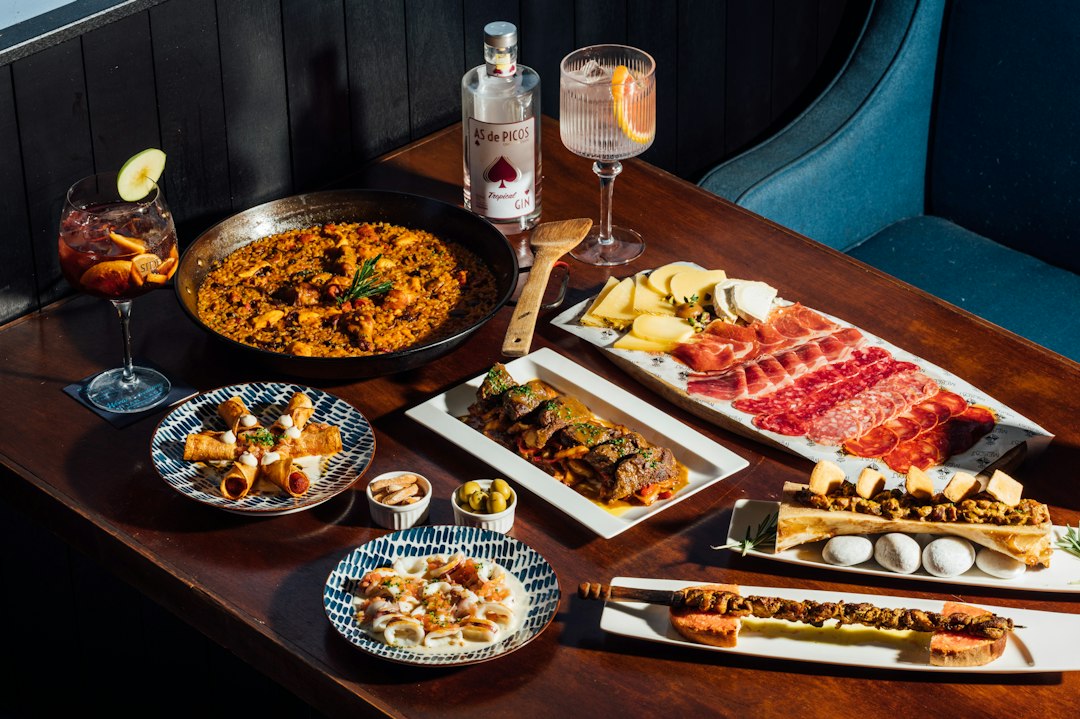
Ask ten locals where to start a Murcian tapas crawl and you'll get eleven answers. After years of living ten minutes from Roda, I'll save you the argument: October is the best month of the year to do it. The summer crowds have gone, the terraces are comfortable at last, and the grape harvest has just finished in the wine country inland.
Here's how I'd eat and drink my way through the next few weeks, based on a lot of happy research.
Why October Suits the Tapas Trail
Temperatures sit around 24 to 26°C in the afternoon and drop to a pleasant 17 or 18°C by the time you sit down for dinner. That matters. In July you're sweating over a plate of caldero. In October you can linger on a terrace until 11pm in a light jacket and nobody rushes you.
The produce is also at its best. Tomatoes are still sweet, the first artichokes are arriving from the Campo de Cartagena, and pomegranates, figs and grapes show up in the markets. Mar Menor fish such as dorada and the prized langostino are plentiful, and the Wednesday market in Los Alcázares is the place to see what's in season before you decide what to order.
One rule I'll state firmly: eat on Spanish time. Lunch tapas run from about 1.30pm to 3.30pm, then most kitchens close for the siesta and reopen around 8pm. Turn up at 6pm hoping for a full menu and you'll be disappointed.
The Wines to Look For
Murcia has three denominations of origin: Jumilla, Yecla and Bullas. Between them they make some of the best-value red wine in Spain, and most visitors never try any of it.
Jumilla and Yecla
Monastrell is the grape that defines the region. It's dark, structured and handles heat well. Jumilla's versions are often big and full of ripe fruit, while Yecla tends to be a touch more polished. A decent bottle in a restaurant rarely costs more than €15 to €20, and by the glass you'll pay €2.50 to €4. Ask for a monastrell joven if you want something lighter with tapas.
Bullas and the Whites
Bullas is the smaller, cooler-climate option, and its Macabeo whites and rosés are very good with seafood. If you're sitting at a chiringuito with grilled prawns, ask what they pour from Bullas. You'll rarely be steered wrong.
If you fancy a proper day out, Jumilla is about an hour and a half by car, and the bodegas take bookings for tastings during the harvest period. Do ring ahead, as many only open by appointment. Pick a designated driver, or make it a rental-car day with a split of tastings.
Where to Eat Along the Mar Menor
You don't need to travel far. The stretch from Los Alcázares up to Santiago de la Ribera and Lo Pagán has more good tapas bars than you can manage in a week.
In Los Alcázares, walk the paseo and look for the bars that are full of Spanish families rather than menus with photographs. That's the only test I use, and it has never failed me. Order the marinera (a Russian-salad topped tapa with an anchovy on a crisp breadstick), michirones if it's on the board (a broad bean stew with ham and chilli, very much a local winter dish that starts appearing now), and whatever the bar calls its house zarangollo, a courgette and egg scramble that tastes far better than it sounds.
Further up the coast, Lo Pagán is brilliant for fish. The salt flats are on your doorstep, and the local caldero, a rice dish cooked in a fish stock with a spoon of garlicky ajoaceite on the side, is the dish I'd defend against any paella. Santiago de la Ribera does a lovely line in grilled cuttlefish and sunset views over the water. Go for an early evening drink, then stay for the tapas.
For a bigger trip, Murcia city is thirty-five minutes away and its tapas scene is exceptional. The streets around the cathedral fill up on Saturday evenings, and the local tradition of tapeo means a small plate comes free with your drink in many bars. Start at one end, take a drink and a bite in each, and move on. Don't commit to a table.
Ordering Like You Live Here
Order una caña for a small draught beer, un tinto for red wine, and ask for media ración if the full portion is too much for a group. Keep your napkins on the bar if that's where the locals leave them, and don't be shy about asking what's fresh today. A good waiter will tell you.
Building a Weekend Around It
The easiest way to do this is to stay put and let the trail come to you. A holiday rental near Roda Golf gives you a kitchen for those market-day finds and a short drive to every town I've mentioned. Use the mornings for golf, since the cooler weather makes the golf courses around the Mar Menor a real pleasure at this time of year, then spend the afternoons wandering and the evenings eating.
My suggested rhythm: tee off early, lunch on tapas in Los Alcázares, a short siesta, then a drive to Santiago de la Ribera or Lo Pagán for a sunset caldero. Save one day for Murcia city or a Jumilla tasting. If you're still working out the geography, our area guide to Roda and the Mar Menor will help, and the rest of our food and drink articles cover specific dishes in more detail.
Questions about where to stay or how to fit all of this around a golf trip? Get in touch with us and we'll point you in the right direction. Bring an appetite. You'll need it.
Roda Golf Team
The official Roda Golf and Beach Resort team, bringing you the latest news, tips, and insights about life at the resort.