How to Order a Menú del Día Like a Local Near Roda Golf
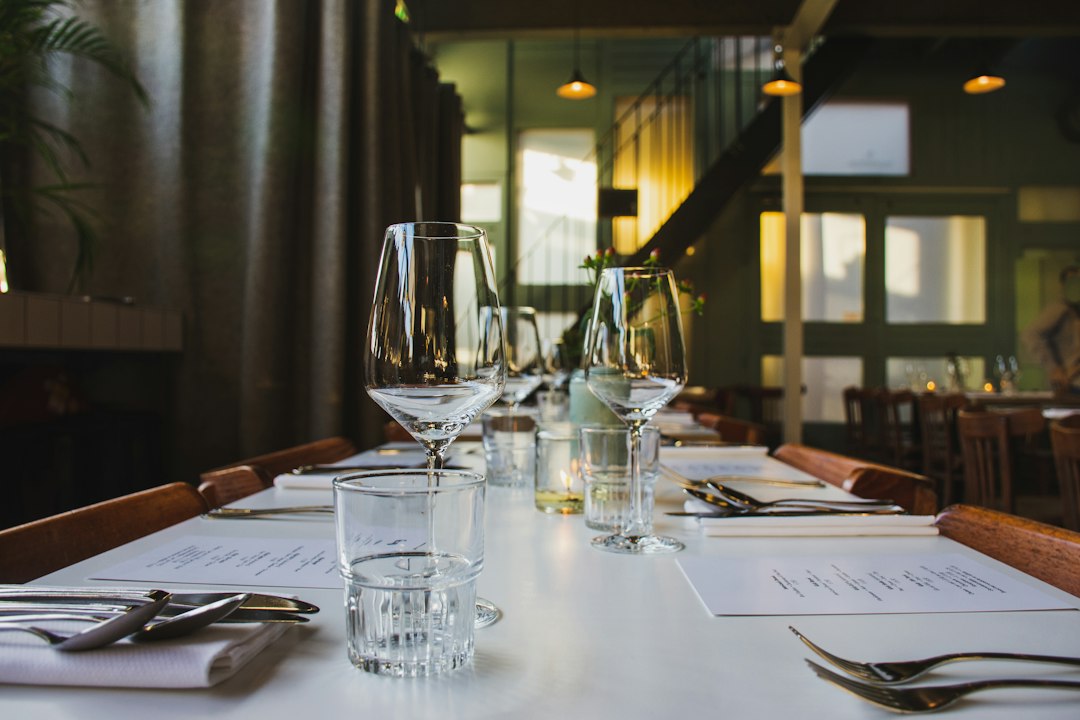
The first time I ordered a menú del día, I asked the waiter what the "special" was. He looked at me as though I'd asked for a pint of milk. Then he reeled off about nine dishes in rapid Murcian Spanish, dropping half the consonants as he went, and I nodded and said "sí, ese" to the last thing I'd heard. It was tripe. I ate every bit of it out of pure British politeness.
That was years ago. Since then I've eaten more set lunches around Los Alcázares and San Javier than I'd care to admit, and I've worked out how the whole thing runs. It's the best-value meal on the Costa Cálida, and it's much easier than it looks once you know the rules.
What you're actually ordering
A menú del día is a fixed-price weekday lunch. You get a starter (primero), a main (segundo), a pudding or coffee (postre or café), bread, and a drink. Wine, beer, water or a soft drink all count as the drink. Around here it usually costs somewhere between 12 and 15 euros, though it creeps up on the seafront in La Manga.
The menu is generally chalked on a board by the door or handwritten on a slip of paper. Usually there are five or six choices per course. That's your cue to stop looking for the English version. If a place has a laminated menu with photos of paella, it's not the one you want.
Timing matters. Lunch in Spain happens between about 1.30pm and 3.30pm, and most menús stop being served around 4pm. Turn up at noon and you'll be sat in an empty bar watching the owner polish glasses. Turn up at 2pm and you'll be queuing behind half the local workforce, which is a very good sign.
The Tuesday I got it right
A few weeks ago, after a morning round at Roda, my mate Dave and I wandered into a family-run place in Santiago de la Ribera. No sign in English, a handful of builders in hi-vis at the bar, and a board listing lentil stew, ensalada murciana, grilled dorada and something called michirones.
This time I was ready. I said, "Buenas tardes, el menú, por favor," and the waitress simply rattled off the choices, slowly, because I'd said it properly. The trick is to keep it short and confident. You don't need perfect Spanish. You need to sound like you've done this before.
I went for the ensalada murciana, which is tomato, tuna, onion and olives in good olive oil and tastes like the tomatoes actually grew somewhere warm. Then the dorada, which came whole with chips and a slice of lemon. Dave chose the lentils (autumn food if ever there was any) followed by pollo al ajillo. We both had a glass of the house red. Pudding was flan casero and a café solo. Total bill for two: just under 28 euros, with change.
The phrases that do the heavy lifting
You don't need a phrasebook. A handful of lines will get you through any menú:
- "¿Qué hay de primero?" (What's for starters?), handy if there's no board.
- "De beber, vino tinto, por favor." You'll normally get a small bottle or a glass poured from a jug.
- "¿Me trae un café con leche?" Coffee comes at the end, with the pudding, not with it.
- "La cuenta, por favor." You'll have to ask. Nobody brings the bill unprompted, and it isn't rudeness, it's Spanish courtesy: they won't rush you out.
The unwritten rules
Some things nobody tells you. Firstly, you generally can't swap a menú starter for a main, and you can't order one course and pay a third of the price. It's all or nothing. If you only want a light bite, order raciones or tapas instead.
Secondly, portions are generous. The lentils alone could feed a small family. If you're planning a round of golf after lunch, I'd think twice, because there's a reason Spain invented the siesta. I once tried playing the back nine on a full menú and a glass of red. Let's just say my short game didn't improve.
Thirdly, ask what the plato del día is if the board is a mess. In autumn that often means a stew, arroz caldero, or something with pumpkin or habas. It's usually what the kitchen is proudest of that morning, and it rarely disappoints.
Finally, tipping isn't expected. Round up or leave a euro or two if you've had a lovely time. Nobody will chase you down the street either way.
Where to find a good one near Roda
The best menús are rarely on the seafront. Walk two streets back from the promenade in Los Alcázares or Santiago de la Ribera and look for bars with a few vans parked outside at 2pm. Lo Pagán has some solid options near the salt flats too, and the little streets behind San Javier's main square are reliable. If you're staying in one of our holiday rentals near Roda Golf, a ten-minute stroll will usually turn up two or three candidates.
The shoulder season, and October especially, is the sweet spot. The summer queues have gone, the weather's still warm enough to sit outside, and the kitchens switch to heartier food. If you're planning a golf trip, our guide to the golf courses will help you fit a long lunch around your tee time. And if you're still working out which town suits you best, the area information page is a good starting point.
For more on eating well around here, have a rummage through the Food & Drink posts on the blog. Or if you'd like a hand planning a stay, get in touch and we'll point you at a few places we actually eat at ourselves.
Oh, and the tripe? I've not ordered it since. But I did learn to say "sin callos, por favor", and it's served me well ever since.
Roda Golf Team
The official Roda Golf and Beach Resort team, bringing you the latest news, tips, and insights about life at the resort.