We Joined the September Grape Harvest at a Jumilla Bodega
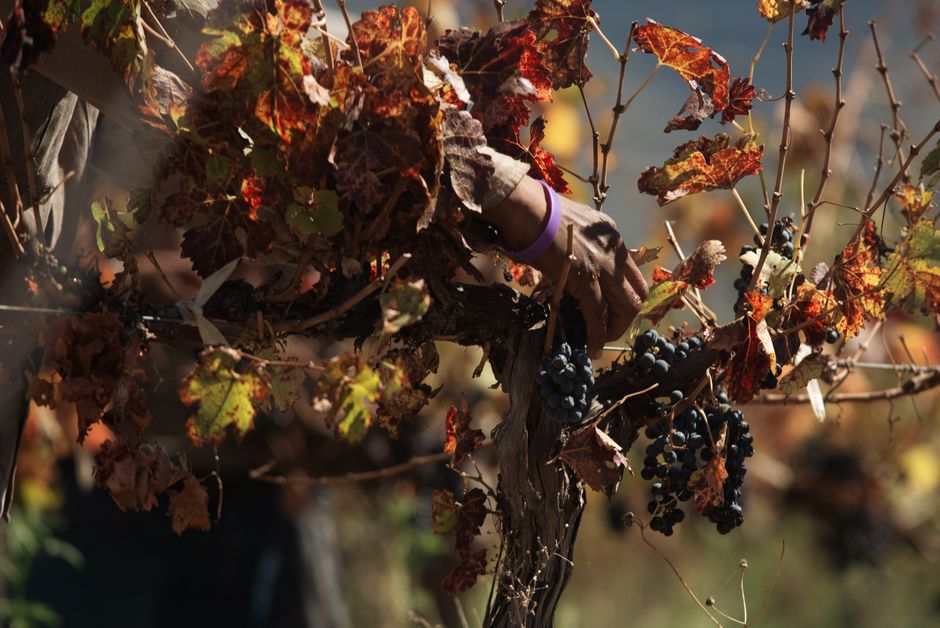
My trainers were purple for a week after this one, and I'm not exaggerating for effect. Late September, a Saturday, and I'd swapped my usual Sunday morning slot at Roda Golf's course for something my Spanish neighbour Encarna had been going on about for weeks: la vendimia, the grape harvest, at her cousin's bodega outside Jumilla. "You live an hour away and you've never been," she said, which was true, and which was also exactly the kind of thing that gets me in the car on a Saturday morning instead of on the first tee.
The drive up from the coast is one of those journeys where the scenery does all the talking. You leave the flat, salty air of the Mar Menor behind, climb through Fuente Álamo and Abanilla, and somewhere past Jumilla town the vines start. Not the neat, irrigated rows you might picture, but old bush vines, low to the ground, spaced out like they're each minding their own business in the reddish, chalky soil. Some of these plants are eighty years old or more. Jumilla's sandy, high-altitude ground never got hit by the phylloxera louse that wiped out vineyards across most of Europe in the 1800s, so a lot of what you're looking at is original rootstock. There's something quite moving about that once you know it, though I'll admit I didn't appreciate it fully until my second glass.
The Scene at the Bodega
We arrived just after nine and the harvest was already well underway. Pickers had been out since dawn, working the rows before the heat properly landed, and tractors were trundling in with trailers stacked with crates of Monastrell grapes, dusty purple and glossy at the same time. The smell hit before anything else did, that heavy, slightly boozy sweetness of grapes starting to ferment, mixed with diesel and dry earth. Someone was hosing down the concrete yard. A dog was asleep in the only patch of shade, completely unbothered by any of it.
Inside, the bodega itself was cool and dim after the yard, all steel tanks and the low hum of temperature control. Our host, a wiry man called Paco who'd clearly done this tour a hundred times but still seemed to enjoy it, walked us through the process from crate to tank. He dipped a glass straight into a fermenting vat and passed it round. It was cloudy, fizzy, somewhere between grape juice and wine, and genuinely one of the strangest and best things I've tasted. That's mosto, the freshly pressed juice just starting to turn, and apparently locals drink gallons of it during harvest season because it doesn't last.
Getting Properly Stuck In
Then came the bit my trainers didn't survive. There's a big open trough out the back, half filled with grapes, and yes, they really do still let visitors climb in and stomp. My kids thought this was the greatest thing that had ever happened to them. I thought it was cold, sticky, and slightly ridiculous, and I loved every second of it. The juice runs purple and warm around your ankles and there's a particular squelch that no amount of description quite prepares you for.
Afterwards we sat at long trestle tables under a vine-covered pergola for a proper harvest lunch: local cheese, jamón, michirones (Murcia's answer to broad beans, cooked with paprika and chorizo), and bread that was clearly baked that morning. Paco poured us the previous year's vintage to compare against the mosto we'd just tasted, and talked us through what makes Jumilla wine distinct, the altitude, the poor soil that forces the vines to work harder, the intense heat that ripens the Monastrell grapes fully. DOP Jumilla doesn't get the international attention that Rioja or Ribera del Duero does, but honestly, for the price, I think it's some of the best value red wine in Spain.
If You Want to Do This Yourself
Harvest visits generally run through September and sometimes into early October, depending on how the season's gone, so if you're reading this and thinking it sounds like your kind of Saturday, don't wait too long to book. Most bodegas that offer vendimia experiences (Luzón and Casa de la Ermita are two that regularly open their doors to visitors) ask you to reserve ahead, especially at weekends. Wear old shoes and clothes you don't mind staining, bring a hat for the vineyard walk, and go with an appetite. Lunch is usually included and it's not a light one.
Worth the Detour From the Coast
It's roughly an hour and a quarter from the Los Alcázares and San Javier area to Jumilla, which sounds like a stretch until you're actually doing it and realise it's one motorway and then a pretty drive through hills. If you're staying in one of the holiday rentals near Roda Golf for a week or two this autumn, I'd genuinely put a harvest day trip on the list alongside the beach days and the golf. It's a different side of Murcia entirely, and coming back down towards the Mar Menor in the early evening, watching the vineyards give way to salt flats and sea again, is a proper reminder of how much this region packs into a small area.
We were back at the resort by seven, stained fingers and all, in time for a sundowner on the terrace. My round of golf could wait another week. For more days out like this one, have a look through the food and drink section of the blog, or drop us a line via our contact page if you fancy some local recommendations before you visit.
You might also enjoy reading about We Watched Flamingos Return to San Pedro del Pinatar's Salt Flats.
You might also enjoy reading about Los Narejos vs Los Alcázares: Best Family Beach for September.
You might also enjoy reading about How to Read Roda Golf's Greens During September Overseeding.
You might also enjoy reading about We Watched Cartagena's Cartagineses y Romanos Festival.
You might also enjoy reading about We Hiked Sierra Espuña's Pine Trails on a Cool Autumn Day.
You might also enjoy reading about We Explored Bolnuevo's Wind-Carved Enchanted City Rock Formations.
You might also enjoy reading about We Joined Murcia City's September Feria for a Day Trip.
You might also enjoy reading about We Joined San Javier's Autumn Tapas Route for a Cool Evening.
You might also enjoy reading about We Sailed to Isla Perdiguera: Mar Menor's Uninhabited Island.
You might also enjoy reading about We Foraged Wild Mushrooms in Sierra Espuña This September.
You might also enjoy reading about We Took the Kids Back-to-School Shopping in Cartagena's Old Town.
You might also enjoy reading about We Tried Roda Golf's New Autumn Caddie Service for a Day.
You might also enjoy reading about We Climbed Lorca's Castle Fortress for Panoramic October Views.
You might also enjoy reading about 5 Murcian Autumn Dishes to Try Near Roda Golf This October.
You might also enjoy reading about How to Order a Menú del Día Like a Local Near Roda Golf.
You might also enjoy reading about We Tested Roda Golf's New Winter Tee Time Schedule This October.
Roda Golf Team
The official Roda Golf and Beach Resort team, bringing you the latest news, tips, and insights about life at the resort.