La Marinera: Cartagena's Cult Tapa and Where to Try It
Ask for "the seafood tapa" in Cartagena and the waiter will just look at you blankly. Ask for "una marinera" instead and something shifts: an approving nod, sometimes a proud smile, occasionally a full debate about whose bar does it properly. I found this out the hard way a few summers back, sat outside a bar just off Calle Mayor with a group of Spanish friends, watching a genuinely heated argument unfold over a dish I'd never even heard of. Nobody warns you that ordering a tapa in Cartagena can start a small war.
That's the thing about la marinera. It isn't just food here, it's identity. And if you've spent your whole holiday eating patatas bravas near the port because that's what the English menu boards show, you've missed the one thing every Cartagenero actually orders.
So What Is a Marinera, Exactly?
At its simplest: a crisp, ring-shaped biscuit called a rosca, piled high with ensaladilla (a cold mix of potato, carrot and peas bound in mayonnaise), topped with a strip of tuna or salted mojama, an anchovy fillet, and an olive speared on a cocktail stick like a tiny flag planted on top. Some bars add a sliver of piquillo pepper. Some don't. That's usually where the arguments start.
The genius of it is the contrast. The rosca gives you a proper crunch before it softens under the cool, creamy topping, so you get texture and temperature doing two different jobs in one bite. It's cheap, it's filling, and it was never designed for tourists. It was designed for dockworkers and sailors who needed something substantial to eat standing up at a bar, fast, between shifts. That history still shows in how it's served: no plating, no fuss, just a little wooden board and a cold beer next to it.
The Tapa With Its Own Guild
Here's what surprises most visitors: la marinera has an actual guardianship. Bars across Cartagena's old town take part in a scheme that certifies who's making it to the traditional recipe and standard, and you'll sometimes spot a small seal or sticker in a bar window marking it out. Locals notice these things. A bar without the seal isn't automatically bad, but a bar with it has usually put more care into the ensaladilla than the one next door that's been sitting in a fridge since Tuesday.
There's also a tapas contest held in Cartagena each autumn where bars compete with their own twists on the classic, everything from squid ink versions to ones with a smoked touch. If you're still around in October it's worth timing a trip to Cartagena for it, but even in August, out of season for the contest, the everyday version in any decent bar is worth the drive on its own.
Where Locals Actually Order Theirs
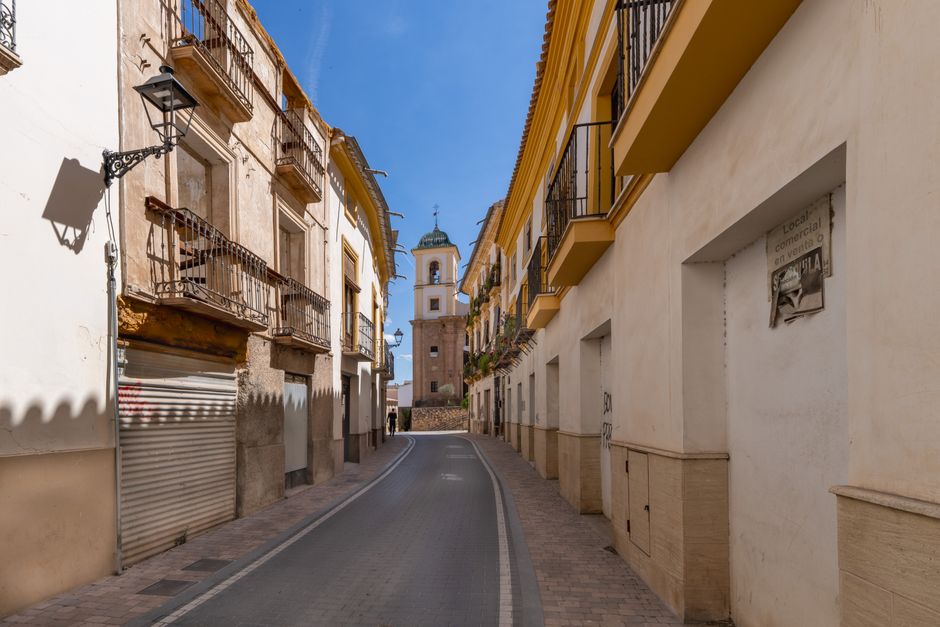
This is the part the guidebooks skip. Skip the plazas immediately around the cathedral and the Roman Theatre, the ones with laminated multilingual menus and a marinera that's clearly been made in bulk that morning. Head instead into the backstreets behind the Ayuntamiento, or around Plaza de los Héroes de Cavite, where the bars are smaller, the till is still half cash, and the bar staff will tell you off gently if you eat it with a knife and fork instead of your hands.
The streets near San Ginés market are another good bet. That's where a lot of the fish and produce trade happens early, and the bars nearby have been feeding market workers for decades, so the ensaladilla turns over fast and never sits around. The old sailors' quarter, Santa Lucía, still has a handful of proper no-frills bars too, the sort with a handwritten chalkboard and regulars who've been sitting on the same stool since lunchtime. Nobody's trying to impress anyone there, which is exactly why it works.
A Late Summer Evening in Cartagena
From Roda Golf it's a straightforward drive down, well under three quarters of an hour through San Javier and along toward the port, and it makes a proper evening out after a round at any of the golf courses near Los Alcázares. We tend to go late afternoon, before the sun's properly dropped, park up near the marina and just wander into whichever backstreet bar has the most locals stood outside it. That's usually the tell.
Order one marinera each to start, a cold caña or a vermut on ice, and don't be shy about hopping bars rather than settling into the first place you find. Three or four different versions across an evening tells you more about Cartagena's food culture than any single sit-down meal will. It's also a proper contrast to the chiringuito scene back on the Mar Menor, less about the beach view and more about standing at a bar arguing about mayonnaise with people who've clearly had this argument a hundred times before.
If you're staying nearby and fancy making an evening in Cartagena a regular thing rather than a one-off, it's worth browsing what's around the resort itself. We've written before about the wider area over on our Los Alcázares and San Javier area guide, and if you're weighing up somewhere to base yourselves for a longer stay, our holiday rentals near Roda Golf put you close enough to Cartagena for evenings like this without needing to think twice about the drive home. For more of this kind of local food detail, our Food & Drink posts cover plenty of other dishes worth seeking out around the Mar Menor. And if you ever want a hand planning a trip around here, our contact page is the quickest way to reach us.
Just don't tell the bar staff you've never had one before. They'll want to watch you eat it, and they'll have an opinion about how you're doing it wrong.
You might also enjoy reading about 5 Mar Menor Seafood Shacks Worth the Drive From Roda Golf.
You might also enjoy reading about 5 Best Ice Cream Spots Near Roda Golf to Beat August's Heat.
You might also enjoy reading about Santiago de la Ribera's Palm-Lined Paseo: A Local's August Evening Guide.
You might also enjoy reading about We Toured Cartagena's Roman Theatre on a Sweltering August Morning.
You might also enjoy reading about We Joined the September Grape Harvest at a Jumilla Bodega.
You might also enjoy reading about Caldero Night: Cooking Mar Menor's Rice Dish This September.
You might also enjoy reading about We Watched Cartagena's Cartagineses y Romanos Festival.
Roda Golf Team
The official Roda Golf and Beach Resort team, bringing you the latest news, tips, and insights about life at the resort.