We Hiked Sierra Espuña's Pine Trails on a Cool Autumn Day
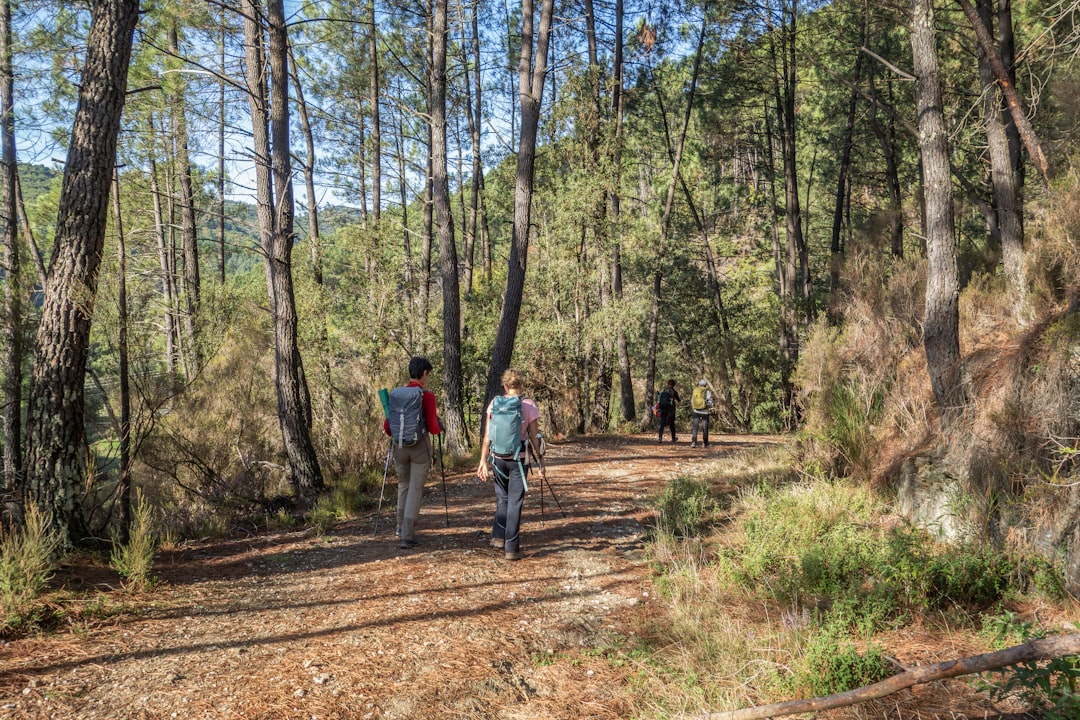
The mist was still sitting low in the valley when we parked the car at Fuente del Hilo, and for the first time since June I reached for a fleece instead of sun cream. That's the thing nobody tells you about September in this corner of Murcia: while the beaches at Los Alcázares are still warm enough for a swim, drive forty minutes inland and the temperature drops six or seven degrees the moment the road starts climbing into Sierra Espuña. We'd talked about doing this hike all summer and kept putting it off because the coast was simply too good to leave. Autumn finally gave us the excuse.
If you've spent the season around the Mar Menor watching the water turn that flat, glassy blue it gets in late afternoon, Sierra Espuña feels like a different country. Pine forest instead of salt flats. Cool mountain air instead of the thick, sticky heat that sits over Roda Golf by midday in August. It's only about an hour's drive from the resort, up through Totana, and yet by the time you're walking under the trees it could be a different season altogether.
Why September Is the Month to Go
Sierra Espuña sits at over a thousand metres in places, rising to the peak of Morrón de Totana at nearly 1,600. In high summer it's genuinely dangerous to hike there past mid-morning, the sun bouncing off the limestone and barely a scrap of shade on the exposed ridges. Come September, though, the worst of that heat has broken. Mornings are crisp enough for a jumper, the light has gone soft and golden rather than white and flat, and the pine forest, which covers most of the range, holds onto a coolness that lasts most of the day.
It's also quiet. We passed maybe a dozen other walkers the whole morning, most of them Spanish families or a few serious-looking trail runners training for something. Nobody was rushing. There's a version of this hike in July that would have us drinking two litres of water each before lunchen and hating every uphill step. In autumn it's just pleasant walking, which is really the whole point.
The Pine Trails We Walked
We picked one of the easier circular routes out of Fuente del Hilo, following the forest track up past the old Casa Forestal towards Collado Bermejo before looping back down through the Umbría, the shaded north-facing slope where the pines grow thickest and tallest. The whole thing took about three hours at a relaxed pace, with a long stop halfway up to eat the tortilla sandwiches we'd packed and watch a pair of griffon vultures ride the thermals above the ridge.
Sierra Espuña isn't a natural pine forest, and that's part of what makes it worth walking through. Most of what covers these hillsides today was planted in the late 1800s by a forestry engineer called Ricardo Codorníu, after decades of overgrazing and logging had left the mountain bare and badly eroded. There's a small visitor centre named after him near the park entrance that's worth ten minutes if you're driving past, with old photos showing just how stripped the hillsides looked before the replanting. Walking under mature Aleppo and black pines that are well over a century old now, it's a strange thing to remember the whole forest was somebody's deliberate decision.
Wildlife on the Way
The vultures are the headline act. Griffon vultures died out in Sierra Espuña decades ago and were reintroduced in the late 1980s, and the colony has done well enough that spotting three or four wheeling overhead on any given walk is fairly normal now. We also came across a small group of mouflon, the wild mountain sheep with curled horns that were introduced here for hunting years ago and have since settled into the park properly. They watched us from a rocky outcrop for a good minute before deciding we weren't interesting enough to bother moving for.
Getting There and What to Bring
From Roda Golf, the drive is straightforward: out towards Totana on the RM-712 and the A-7, then following signs up into the park itself. Bring proper shoes rather than sandals, the tracks are stony in places, and a layer you can take off once the sun's fully up, since it does warm through even in autumn once you're out of the shade. Bring more water than you think you'll need. There are a couple of picnic areas with fountains, but not all of them are reliable this late in the season.
If you're staying nearby and fancy making a full day of it, the park has several other routes worth exploring, from the badlands at Barranco de Gebas nearby to longer summit routes up Morrón de Totana for those wanting a proper climb. For anyone weighing up an autumn break in the area, our guide to the Los Alcázares and San Javier area covers how easy it is to mix a morning like this with an afternoon back on the coast, or even nine holes once the September winds settle down. We keep a running list of golf courses within easy reach of Roda Golf for exactly that kind of day.
We got back to the coast by early afternoon, hot from the last stretch in the sun and glad of a swim to cool off, which felt like proof that this part of Murcia genuinely offers both in the same day. If you're thinking about a longer autumn stay to fit in a few hikes like this one alongside the usual beach time, have a look through our holiday rentals near Roda Golf, and get in touch with us if you want local suggestions for routes to match your fitness and time. For more on what else is worth seeing this season, our sightseeing posts have a good few ideas for days out away from the beach.
Roda Golf Team
The official Roda Golf and Beach Resort team, bringing you the latest news, tips, and insights about life at the resort.