How to Spend a Day in Cartagena's Roman Forum and Port Quarter
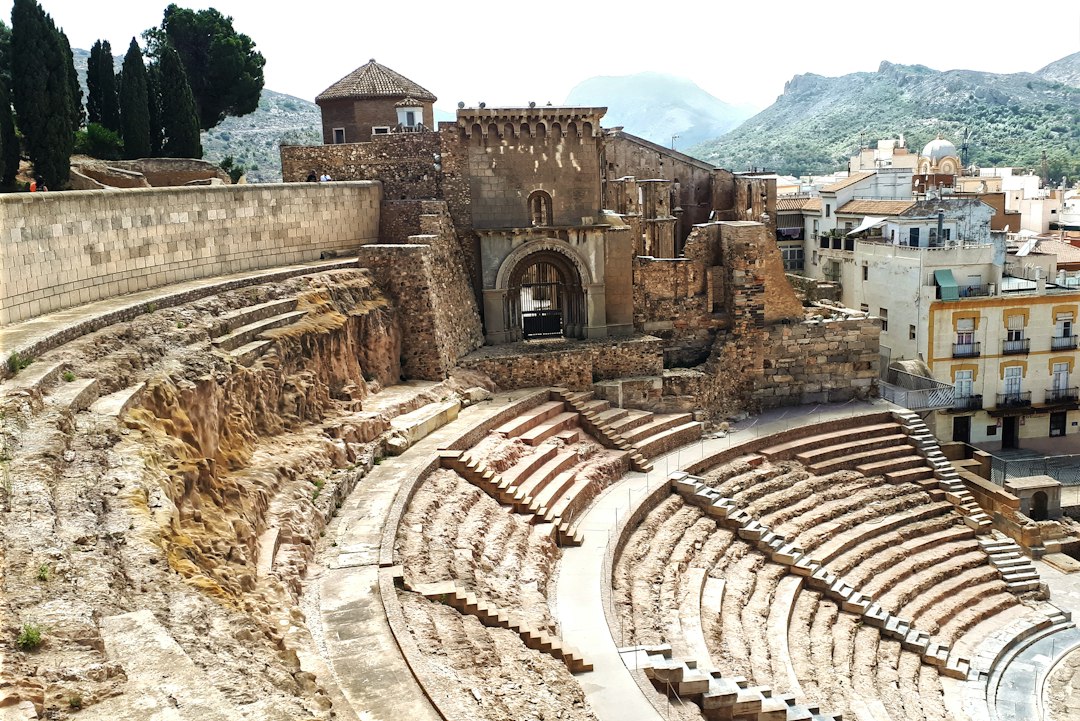
The first thing you notice in Cartagena isn't the Romans. It's the smell of coffee and diesel drifting off the harbour at nine in the morning, and a man on a stool outside a bar on Calle Mayor reading yesterday's La Verdad like it owes him money. The Romans come later, usually when you turn a corner and find a theatre sitting behind a cathedral that has lost its roof.
I drive over from Los Alcázares most Thursdays in October. It's about forty minutes on the AP-7 and then down through the back of the city, and the light at that time of year is the real reason to go. Softer, lower, the colour of toast. The coach parties have thinned out, the cruise ships are fewer, and the city feels like it belongs to the people who live in it again.
Start Where Nobody Else Does
Every guide tells you to start at the Roman Theatre museum. Fair enough, it's good. But the queue at the ticket desk by ten o'clock is the sort you'll resent, so I do it the other way round.
Park at the underground car park by the Puerto, walk along the quay, and have your first coffee at one of the unfussy bars facing the pontoons. Ask for a asiático if you want to taste something Cartagena claims as its own: espresso, condensed milk, a splash of brandy, a twist of lemon peel and a dusting of cinnamon. It's sweet and slightly outrageous. It's also a perfectly respectable thing to drink at 9.30 on a weekday.
From there you can watch the naval dockyard work its way through the morning. Cartagena is still a serious naval town, and every so often a grey ship the size of a block of flats slides past the promenade with sailors lined up in white along the rail. Nobody looks twice. You will.
The Back Door to the Theatre
Here's the bit the leaflets skip. The theatre museum begins in the Palacio Pascual de Riquelme on the Plaza del Ayuntamiento, and you walk through a long underground passage to emerge, quite suddenly, in the seating of the Roman theatre itself. Go at opening time or after the siesta, around four, when the stone has warmed and the school groups have gone home. Sit near the top, look down at the stage, and let the quiet do the work.
The cathedral of Santa María la Vieja sits right on top of the theatre's upper rows. It was bombed in the Civil War and never fully rebuilt, which is why you can stand inside it with sky above you. Most people hurry through. Stay a bit. It's one of the stranger, more moving places on the whole coast.
The Roman Bits You'd Walk Straight Past
The word "Forum" in the title is a little generous, and I'd rather be honest about it. What you actually find is the Roman quarter around Molinete hill, where the excavations have uncovered the remains of a forum complex, a sanctuary and some thermal baths. It's an open archaeological park with walkways, and the small museum there is cheap and rarely busy.
The real treat is the Decumano, a stretch of Roman road with its paving stones still in place, flanked by the remains of houses. I took a visiting cousin there last autumn and she stood on it for a full minute without speaking. Two thousand years of footsteps and she was trying to work out where the shopping would have been.
Do the Molinete in the late morning, then walk down to the Casa de la Fortuna if the doors are open. It's a Roman house with painted walls that still hold colour. Opening hours here can be vague, so check at the tourist office on the quayside before you commit.
Lunch, Then the Harbour Walls
By one o'clock you'll be hungry, and Cartagena is brilliant for it. Skip anything on the main pedestrian street with a laminated photo menu. Instead, wander into the lanes behind Calle del Carmen and look for bars with a crowd of workers and a chalkboard. The menú del día runs about €13 to €15 and usually includes a bottle of wine for the table. Ask for the caldero if it's on, a rice dish cooked with the Mar Menor's own fish, and one that Los Alcázares kitchens do just as well.
Afterwards, walk it off along the Muralla Bizantina and then up to the Castillo de la Concepción, either by the glass lift or on foot. The view from the top swings across the whole harbour, the naval base, the cranes, the little hills with their old gun batteries. On a clear October afternoon you can see right out to the open sea. Wear proper shoes, because the paths are polished stone and get slippery after rain.
If you've time left, finish with the Panoramic Harbour boat trip. It's short and a bit touristy, but seeing Isaac Peral's submarine from the water gives you a feel for how important this place has always been.
Getting Home Without the Fuss
Leave by five if you can. The commuter traffic out of the city thickens after half past, and the road back towards the Mar Menor gets sticky around La Unión. If you're staying in one of the holiday rentals near Roda Golf, you'll be back on your terrace with a drink before the sun drops behind the hills.
Golfers, take note: a Cartagena day is a nice partner to a morning on the course. Play early, finish by noon, and you've still got the afternoon for Roman stones. You'll find details on the golf courses around Roda, and if you want to know more about getting between the resort and the city, our area guide to the Mar Menor and surrounds covers the routes and distances.
For more days out like this one, browse our sightseeing guides. And if you'd like a hand planning a trip, just get in touch with us.
Roda Golf Team
The official Roda Golf and Beach Resort team, bringing you the latest news, tips, and insights about life at the resort.