Caldero del Mar Menor: Where to Eat Murcia's Iconic Rice Dish
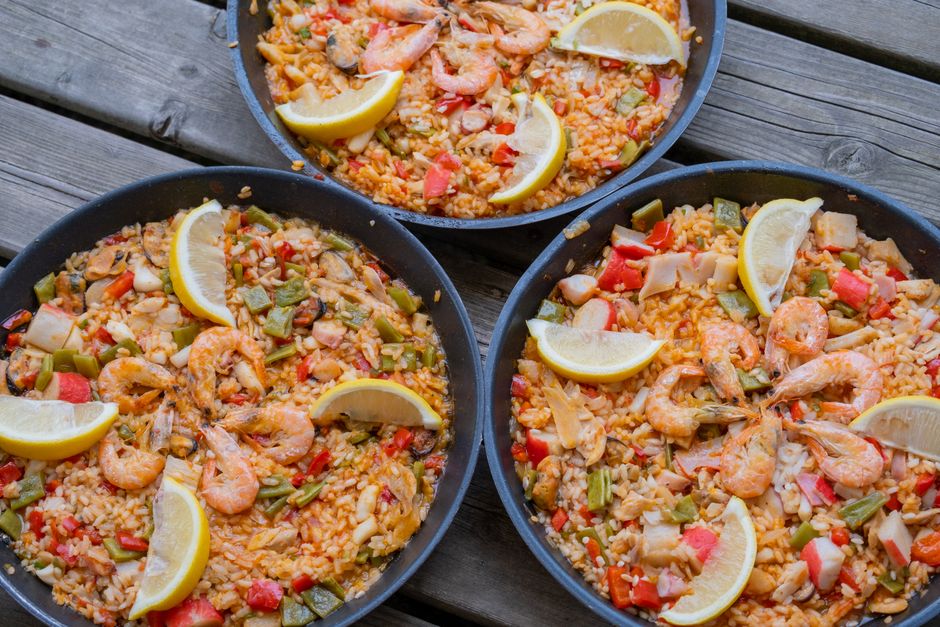
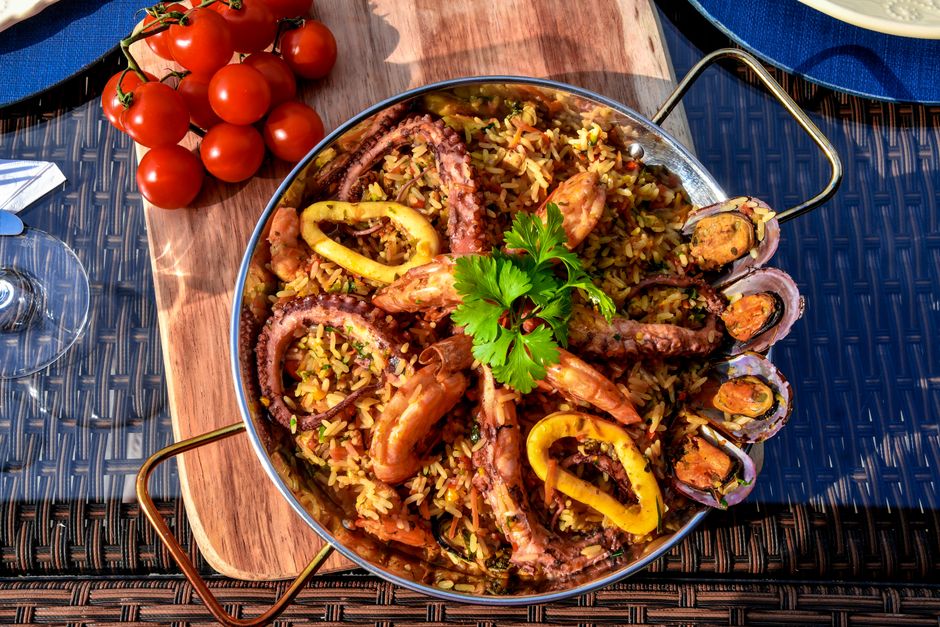
The first time I had caldero properly done, I didn't fully understand what I was eating. I'd ordered it at a small restaurant in Lo Pagán on a Tuesday evening, mid-July, the kind of heat where the air off the Mar Menor feels like a warm flannel. The waiter brought a deep, terracotta-coloured rice first, and I thought that was it. Then came a plate of fish. Then a small pot of something garlicky. It took a local couple at the next table to explain: the caldero is three courses pretending to be one.
That was four years ago. These days I'd say it's the dish I order more than any other when I want to feel genuinely connected to where I live. Not paella. Not tapas. Caldero.
What Caldero Actually Is
The name just means cauldron, which tells you something about its origins. Caldero del Mar Menor was fishermen's food. The boats working the Mar Menor's shallow, warm waters would come back with their catch (sea bream, grey mullet, sea bass), cook everything together in a large pot with water, garlic, and dried ñora peppers, then eat the broth-soaked rice first and the fish second. Practical, nourishing, and as specific to this stretch of Murcian coast as anywhere.
The rice picks up an extraordinary depth of flavour because it cooks directly in the fish stock. There's nothing subtle about it. The ñora pepper (a round, dried red pepper used extensively in Murcian cooking) gives it a slight smokiness and a deep russet colour. The alioli that comes alongside the fish is sharp and punchy, nothing like the mild garlic mayonnaise you might get elsewhere.
One thing worth knowing: proper caldero rice should be slightly seco (dry), not soupy like a risotto and definitely not the firm separate grains of a good paella. It sits somewhere in between. If the waiter asks how you'd like your rice, punto means just right. That's what I always go for.
The Best Places to Eat It Near Roda Golf
Lo Pagán is where I'd start anyone off. It's the fishing village at the northern tip of the Mar Menor, about 25 minutes from Roda Golf, and it has more caldero restaurants per square metre than anywhere else in the region. The paseo fills up after 9pm in June and July, and several of the restaurants there have been serving caldero for decades.
Restaurante El Caldero in Lo Pagán is the obvious choice and has earned its reputation honestly. Book ahead in summer, especially for a Friday or Saturday evening. I've had consistently good meals there across several years, and the setting right on the front is hard to beat.
In Santiago de la Ribera, which is closer to Roda and a lovely spot for a summer evening, there are a handful of places on or just off the paseo where caldero appears regularly on the menu. It's worth asking if they use local Mar Menor fish (pescado del Mar Menor) rather than fish brought in from elsewhere. The best restaurants are proud of the sourcing and will tell you without hesitation.
Los Alcázares has a few solid options too, particularly along the front near the Wednesday market area. La Tana is worth a visit if you're already in town. The town tends to be a touch more visitor-facing, so prices are slightly higher, but the standard is generally reliable and parking is easier than Lo Pagán in high season.
What to Expect at the Table
A proper caldero arrives in stages. The rice comes out in the cooking pan or a wide clay dish. The fish follows on a separate plate. The alioli arrives in a small pot on the side. You eat the rice first, and dipping bread into it is not frowned upon. Then the fish: pull the flesh away from the bones with your fork and dunk it into the alioli as you go.
It's a long, slow meal by design. On a warm June evening with a glass of local white (Monastrell makes a decent white, less known than the red but worth trying) or a cold Estrella de Levante, it's exactly the kind of thing you move to this coast for.
Most restaurants serving caldero will offer it as a ración for two people rather than an individual portion, because it's fundamentally a communal dish. If you're eating alone, some places will serve a half portion (media ración) of the rice and a smaller piece of fish. Worth asking.
Timing and Practicalities
June is a good time to eat caldero. The restaurants are busy but not overwhelmed (that comes in July and August), the evenings are long, and you can sit outside until midnight without needing a jacket. By mid-July, Lo Pagán in particular gets packed, and the wait for a table without a reservation can be significant.
Book ahead for anywhere in Lo Pagán if you want a weekend table. During the week you can usually walk in, especially if you're eating before 9:30pm, which most British visitors find perfectly reasonable timing anyway.
The price for caldero for two, with bread, drinks, and dessert, runs from around €40 to €70 depending on the restaurant and the size of the fish course. Some places charge by weight for the fish. It sounds fairer than it is, so it's worth asking upfront if you want to avoid surprises.
If you're staying in one of the holiday rentals near Roda Golf and want to make a proper evening of it, I'd suggest driving to Lo Pagán rather than settling for the closer options, simply because the setting is better. Park near the salt pans and walk along the front first. The flamingos are usually wading in the shallower areas around sunset, the Mar Menor goes completely flat and pink, and by the time you sit down for your caldero you'll feel as though you've properly earned it.
If you're new to the area and want to get your bearings before planning an evening out, the area guide covers the main towns and distances well. And if you're looking for more ideas on what to eat and drink while you're here, the food and drink posts on the blog cover everything from local wine bars to the best summer tapas in Los Alcázares.
Caldero isn't a dish to rush into your first evening. Save it for when you've got a free night, you're not in a hurry, and you're ready to sit for two hours and do it properly. It'll repay the patience.
You might also enjoy reading about Paparajotes: Where to Try Murcia's Signature Dessert Near Roda.
You might also enjoy reading about Lorca Castle: Murcia's Fortress Day Trip from Roda Golf.
You might also enjoy reading about Beat July's Heat: Murcia's Best Granizados Near Roda Golf.
You might also enjoy reading about 5 Things to Know About Cartagena's La Mar de Músicas Festival.
You might also enjoy reading about We Joined the Virgen del Carmen Procession in Los Alcázares.
You might also enjoy reading about We Tried Murcia's Pastel de Carne: A Local Bakery Crawl Near Roda.
You might also enjoy reading about We Spent a July Evening Hopping Los Alcázares' Chiringuitos.
You might also enjoy reading about We Watched La Manga's July Fireworks Over the Mar Menor.
You might also enjoy reading about We Tried San Pedro del Pinatar's Free Mud Baths in July Heat.
You might also enjoy reading about Zarangollo & Michirones: Murcia's Underrated Summer Dishes.
You might also enjoy reading about La Marinera: Cartagena's Cult Tapa and Where to Try It.
You might also enjoy reading about We Watched the Perseid Meteor Shower Over the Mar Menor.
You might also enjoy reading about We Kayaked the Mar Menor at Sunrise to Beat August's Heat.
You might also enjoy reading about 5 Mar Menor Seafood Shacks Worth the Drive From Roda Golf.
You might also enjoy reading about Jellyfish Season on the Mar Menor: A Family Safety Guide.
You might also enjoy reading about 5 Best Ice Cream Spots Near Roda Golf to Beat August's Heat.
You might also enjoy reading about Roda Golf vs Hacienda del Álamo: An August Golfer's Comparison.
Roda Golf Team
The official Roda Golf and Beach Resort team, bringing you the latest news, tips, and insights about life at the resort.