We Went Snorkeling at Cabo de Palos' Islas Hormigas Reserve
Islas Hormigas has been a protected marine reserve since 1995, which makes it one of the oldest in Spain, and you can tell the moment you put your face in the water. The grouper here don't scatter when you swim past. They just hang in the current, watching you back, because three decades of no-fishing zones have made them bold. We took the family out from Cabo de Palos harbour last week, expecting a pleasant swim. What we got was easily the best snorkeling either of us has done on this coast, and we've tried most of it.
If you're staying near Roda Golf and haven't made the trip to Cabo de Palos yet, this is the excuse you need. It's about 25 minutes down the coast from the resort, past San Javier and La Manga's northern edge, and it's a completely different Mediterranean to the calm, shallow Mar Menor most holidaymakers here get used to.
Why Islas Hormigas Is Worth the Drive
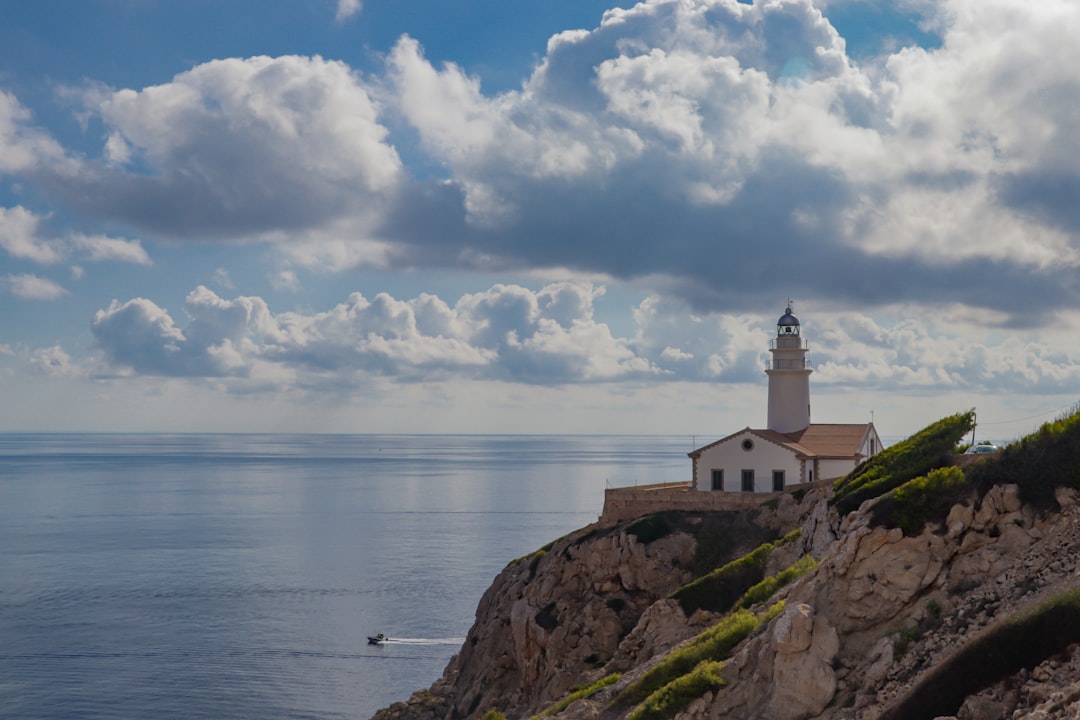
The reserve sits just off the Cabo de Palos lighthouse, a scatter of small islets and underwater ridges where the seabed drops away sharply into deep, cold water. That drop-off is what makes it special. Cold water pushing up from the depths feeds the posidonia meadows and keeps visibility sharp, often 15 to 20 metres on a calm day, which is exceptional for the western Mediterranean in summer.
Swim over the seagrass close to the islets and you'll find dusky grouper the size of dogs, shoals of barracuda hanging motionless in the current, and moray eels tucked into the rock crevices if you know where to look. None of it feels stage-managed. This isn't a fish feeding show for tourists. It's a genuine, working ecosystem that's been left alone long enough to recover, and swimming through it feels closer to a nature documentary than a beach day.
How to Plan the Trip
You can't just wade in from the rocks and expect the same experience, so a bit of planning pays off:
- Book with a licensed boat operator from Cabo de Palos harbour. Several run dedicated snorkeling excursions into the reserve's buffer zones, and they know exactly where the grouper and barracuda are hanging out that week.
- Take a morning slot if you can. The wind picks up along this stretch by early afternoon, and glassy water makes a real difference to visibility and to how easy it is to spot fish below you.
- Pack reef-safe sunscreen. You'll be face-down for long stretches with your back exposed, and standard sunscreen leaves a film on the water that does the posidonia no favours.
- Check the swell forecast separately from the Mar Menor. Calm inland waters near Roda Golf tell you nothing about conditions on the open Mediterranean side.
- Bring cash for a post-swim coffee or seafood lunch at one of the chiringuitos along the Cabo de Palos seafront. Card machines aren't universal at the smaller places.
A basic mask, snorkel and fins are all you need. Most boat operators supply life jackets and can lend gear if you didn't bring your own, but if you're planning more than one trip during your stay, it's worth packing your own kit rather than relying on hire equipment.
What to Expect Underwater
The first thing that strikes most people is the colour. Away from the sandy shallows of the Mar Menor, the water here shifts to a deep, almost navy blue as the seabed drops off, and that contrast against the pale rock and green posidonia is genuinely striking.
Stick close to your boat guide near the islets themselves, where the fish life is thickest. We spent a good twenty minutes just watching a resident grouper cruise a rock wall, completely unbothered by four snorkelers hovering above it. Further out, keep an eye on the blue for barracuda, which move in tight, silvery schools and tend to appear and vanish without warning.
Don't expect tropical colours. This is Mediterranean marine life: greys, silvers, and deep greens rather than reef brights. What it lacks in colour it makes up for in scale and in the sheer confidence of the fish, which is the real payoff of decades of protection.
Timing It Right for August
August brings the warmest, clearest water of the year here, with sea temperatures comfortably in the high twenties, so you won't need a wetsuit. That's the good news. The trade-off is boat traffic, since Cabo de Palos gets busy with day trippers throughout summer. Book your excursion for first thing in the morning, both for the calmer water and because you'll have the reserve largely to yourselves before the bigger tour boats arrive. Bring plenty of water and reapply sunscreen between swims, as the reflection off open water burns faster than most people expect, particularly on the back of the neck and shoulders.
Afterwards, Cabo de Palos town is worth a slow wander. Fresh caldero (the local rice and fish stew) at one of the harbourside restaurants is the traditional way to finish a morning in the water, and it beats anything you'll find back near the resort.
For anyone weighing up where to base themselves for a trip like this, our guide to the Costa Cálida area covers how Cabo de Palos, La Manga and the Mar Menor towns fit together, and why staying central makes day trips like this one so easy. If you're still deciding on accommodation, browse our holiday rentals near Roda Golf, all within easy striking distance of the coast road down to Cabo de Palos, or get in touch if you'd like recommendations tailored to your dates.
Once you've done Islas Hormigas, it's hard to look at the rest of this coastline the same way. There's more to explore too. Have a look through our other local area guides for more of what's worth the drive from Roda Golf this summer.
You might also enjoy reading about Santiago de la Ribera's Palm-Lined Paseo: A Local's August Evening Guide.
You might also enjoy reading about We Rented Kayaks for a Family Sunset Paddle Near Roda Golf.
You might also enjoy reading about We Toured Cartagena's Roman Theatre on a Sweltering August Morning.
You might also enjoy reading about We Joined the September Grape Harvest at a Jumilla Bodega.
You might also enjoy reading about We Watched Flamingos Return to San Pedro del Pinatar's Salt Flats.
You might also enjoy reading about We Watched Cartagena's Cartagineses y Romanos Festival.
You might also enjoy reading about We Hiked Sierra Espuña's Pine Trails on a Cool Autumn Day.
You might also enjoy reading about We Explored Bolnuevo's Wind-Carved Enchanted City Rock Formations.
You might also enjoy reading about We Joined Murcia City's September Feria for a Day Trip.
You might also enjoy reading about We Joined San Javier's Autumn Tapas Route for a Cool Evening.
You might also enjoy reading about We Sailed to Isla Perdiguera: Mar Menor's Uninhabited Island.
You might also enjoy reading about We Foraged Wild Mushrooms in Sierra Espuña This September.
You might also enjoy reading about We Took the Kids Back-to-School Shopping in Cartagena's Old Town.
You might also enjoy reading about How to Cycle the Mar Menor Coastal Path in One Autumn Day.
Roda Golf Team
The official Roda Golf and Beach Resort team, bringing you the latest news, tips, and insights about life at the resort.