How to Read Roda Golf's Greens: A Course Strategy Guide
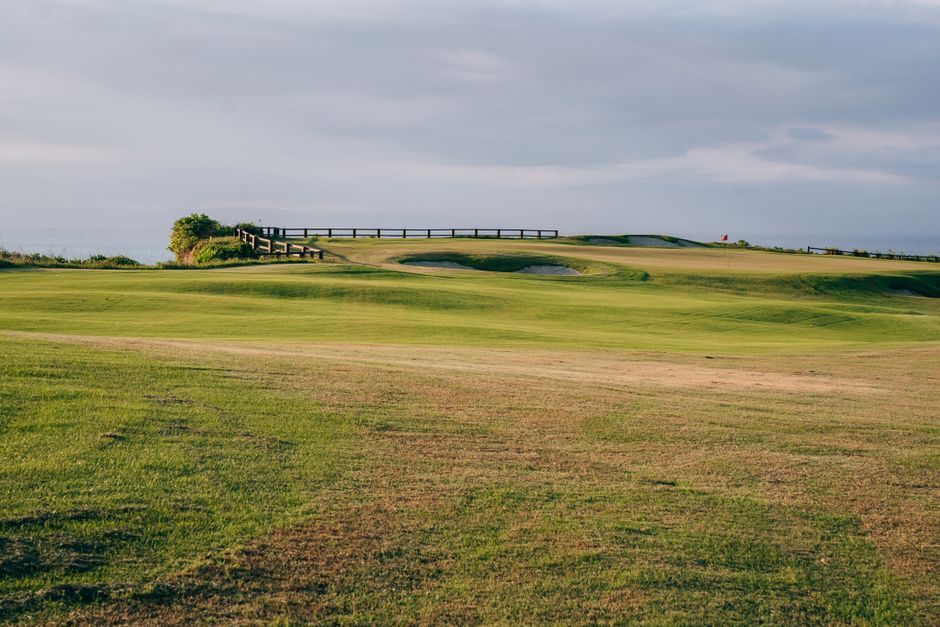
Most golfers who play Roda Golf for the first time leave with the same story: they struck decent iron shots all day, found some good approaches, and then completely fell apart on the greens. Three-putts from twelve feet. Balls breaking the wrong way. Fast descending putts that skipped four feet past and never came back. It's not bad luck. Once you understand how Roda Golf's greens work, the whole course starts to make sense.
I've played this course more times than I can count since moving out here to the Los Alcazares area, and the greens remain the single biggest reason why visiting golfers post scores they're disappointed with. Get the putting figured out, and you'll find the rest of the course very manageable.
Why Roda Golf's Greens Behave Differently in Summer
The first thing to understand is what June heat does to these putting surfaces. By summer, the Bermuda grass on the greens has tightened right up under the relentless Murcian sun, and the greens firm considerably compared to how they play in January or February. You're looking at stimpmeter readings that can feel quite quick for a resort course. The ball skids off the putter face rather than rolling, which catches players out immediately if they haven't adjusted their pace expectations.
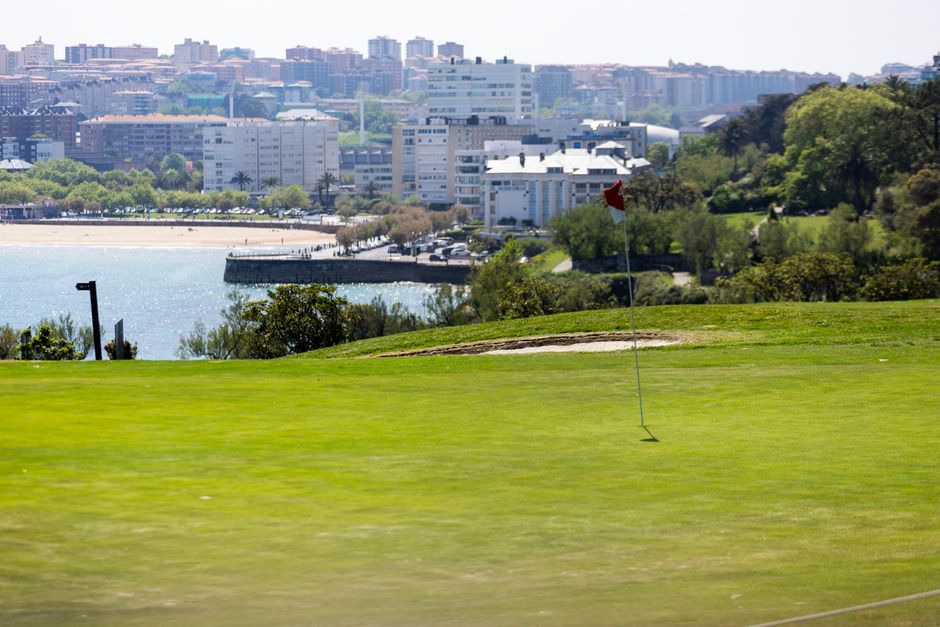
The second factor is less obvious: nearly every green at Roda Golf has a subtle kick toward the Mar Menor. The course sits on gently sloping ground that falls away toward the lagoon to the east, and the greens were built to drain in that direction. When you're reading a putt and you can't work out why it's breaking the way it is, look east. That's where the water goes, and that's where your ball is going.
Wind matters too. The Levante, blowing in off the sea from the south-east, is a constant presence at Roda Golf during the summer months. On the greens it's less about moving the ball during the putt and more about what it does to the grass itself. Sustained wind dries out the grain and pushes it in one direction, subtly affecting how the surface plays. Greens on the more exposed back nine holes are particularly susceptible to this.
How to Read the Slope Before You Putt
Get into the habit of reading every green as you approach it, not once you've marked your ball. Walking up from the fairway gives you the best elevated view of the overall gradient. You'll immediately see the big stuff: the general tilt of the surface, where the ridge runs if there is one, whether the hole is cut on an upper or lower tier.
Once on the green, there's a simple three-step process I use that works consistently at Roda Golf.
- Find the highest point first. Stand at the back of the green and look across the whole putting surface. Identify the highest corner. Every putt on this green is going to break away from that corner eventually, even if it doesn't look that way from directly behind your ball.
- Read from the low side, not the high side. Walking to the low side of your putt and reading from there gives you a far clearer picture of the actual break. Most golfers read from behind the ball and underestimate the slope they can see from a lower elevation. At Roda Golf, this consistently means playing more break than you think.
- Plumb-bob sparingly. The plumb-bob technique works when the ground under you is level, which at Roda Golf it often isn't. It's more reliable to trust your eye from the low-side read combined with your knowledge of the Mar Menor drainage direction.
On shorter putts inside six feet, especially on the faster summer surfaces, the instinct is to focus on pace rather than line. At Roda Golf in June, get the line right first. A misread at pace on a slippery downhill putt is a much bigger problem than a well-read putt struck slightly too firm.
The Specific Holes Where the Greens Fool You Most
There are a handful of greens at Roda Golf that have caught out good golfers who should know better, and they're worth singling out.
The par-three holes demand particular attention. The greens tend to be smaller and more steeply contoured, with tighter pin positions that punish a misread far more than a long par-five green does. On any of the shorter par threes, be aware that what appears to be a relatively flat surface often has a pronounced back-to-front slope that makes anything above the hole a genuinely difficult two-putt.
The greens on the closing holes of each nine also tend to be better maintained and more challenging in their design, as is common on Robert Trent Jones Jr. courses. The 9th and 18th greens reward conservative positioning below the hole rather than aggressive pin-hunting. Take the safe side, two-putt, and move on with your card intact.
If you want more detail on the specific layout and overall course design before you book, the Roda Golf course information page has the full breakdown.
Practical Changes to Make to Your Putting Routine
Beyond the reading itself, a few adjustments to how you physically putt will help considerably on Roda Golf's summer greens.
Shorten your backstroke. On fast, firm surfaces, most golfers hit the ball too hard because their backstroke is calibrated for slower conditions back home. A shorter, crisper stroke with good acceleration through the ball gives you better control of pace without decelerating, which is the worst thing you can do on a fast putt.
Aim for a larger entry point into the hole. Rather than trying to thread the ball into the centre of the cup, picture an entry point on the high side of the hole. This naturally gets you playing the right amount of break and gives you a bigger target to aim at.
In the early morning rounds (which, as I wrote recently on beating the June heat with early tee times, are the best time to play in summer), the greens will often carry a light dew and play slightly slower than they will by mid-morning. Factor that into your pace on the first three or four holes before adjusting your weight of strike upward as the dew burns off.
If you're planning a trip and want advice on staying close to the course, the holiday rentals near Roda Golf on this site are worth a look before you book. Being five minutes from the first tee makes those 7am start times a lot more appealing. And if you've got questions about playing conditions or want local recommendations, the contact page is the quickest way to get in touch.
The greens at Roda Golf are genuinely one of the best parts of the course once you learn to read them properly. It just takes a round or two of humbling three-putts before most people start paying them the respect they deserve.
You might also enjoy reading about Lorca Castle: Murcia's Fortress Day Trip from Roda Golf.
You might also enjoy reading about Beat July's Heat: Murcia's Best Granizados Near Roda Golf.
You might also enjoy reading about 5 Air-Conditioned Family Activities Near Roda Golf for July 2026.
You might also enjoy reading about Roda Golf Debuts New Clubhouse Restaurant Menu for Summer 2026.
You might also enjoy reading about 5 Golf Gear Essentials for Surviving Roda's July Heat.
You might also enjoy reading about Roda Golf vs La Manga Club: Which Suits July Golfers?.
You might also enjoy reading about We Tried Murcia's Pastel de Carne: A Local Bakery Crawl Near Roda.
You might also enjoy reading about Terra Natura Murcia: A Family Day Trip From Roda Golf.
You might also enjoy reading about Roda Golf Resort Launches Free Beach Shuttle for July 2026.
You might also enjoy reading about How to Fix Your Golf Slice: A Roda Golf Pro's July Drills.
You might also enjoy reading about Roda Golf's Kids' Club: A Parent's Guide to July 2026 Camps.
You might also enjoy reading about Roda Golf Completes New Irrigation Upgrade Ahead of August Heat.
You might also enjoy reading about How to Keep Toddlers Cool at Roda Golf: A July Survival Guide.
You might also enjoy reading about 5 Golf Courses Worth the Drive From Roda Golf This August.
You might also enjoy reading about Roda Golf Resort Unveils New Golf Cart Fleet for August 2026.
You might also enjoy reading about How to Stay Hydrated on Roda Golf's August Round.
You might also enjoy reading about We Played Roda Golf at Twilight: August's Coolest Tee Times.
You might also enjoy reading about 5 Shaded Family Picnic Spots Near Roda Golf for August 2026.
You might also enjoy reading about Calblanque Natural Park: Roda Golf's Wildest Beach Day Trip.
You might also enjoy reading about 5 Mar Menor Seafood Shacks Worth the Drive From Roda Golf.
You might also enjoy reading about Roda Golf Resort Unveils New Night-Lit Driving Range for August.
You might also enjoy reading about Jellyfish Season on the Mar Menor: A Family Safety Guide.
You might also enjoy reading about 5 Best Ice Cream Spots Near Roda Golf to Beat August's Heat.
You might also enjoy reading about 5 Early-Bird Tee Time Tricks to Beat Roda Golf's August Sun.
You might also enjoy reading about Santiago de la Ribera's Palm-Lined Paseo: A Local's August Evening Guide.
You might also enjoy reading about Roda Golf's August Sunset Tee Time Guide: Beat the Crowds.
You might also enjoy reading about We Rented Kayaks for a Family Sunset Paddle Near Roda Golf.
You might also enjoy reading about Roda Golf vs Hacienda del Álamo: An August Golfer's Comparison.
You might also enjoy reading about Roda Golf Resort Opens New Padel Courts for August 2026.
You might also enjoy reading about 5 Autumn Golf Tournaments Worth the Drive From Roda Golf.
You might also enjoy reading about How to Adjust Your Swing for Roda Golf's September Winds.
You might also enjoy reading about How to Enjoy September's Empty Beaches Near Roda Golf With Kids.
Roda Golf Team
The official Roda Golf and Beach Resort team, bringing you the latest news, tips, and insights about life at the resort.