Jellyfish Season on the Mar Menor: A Family Safety Guide
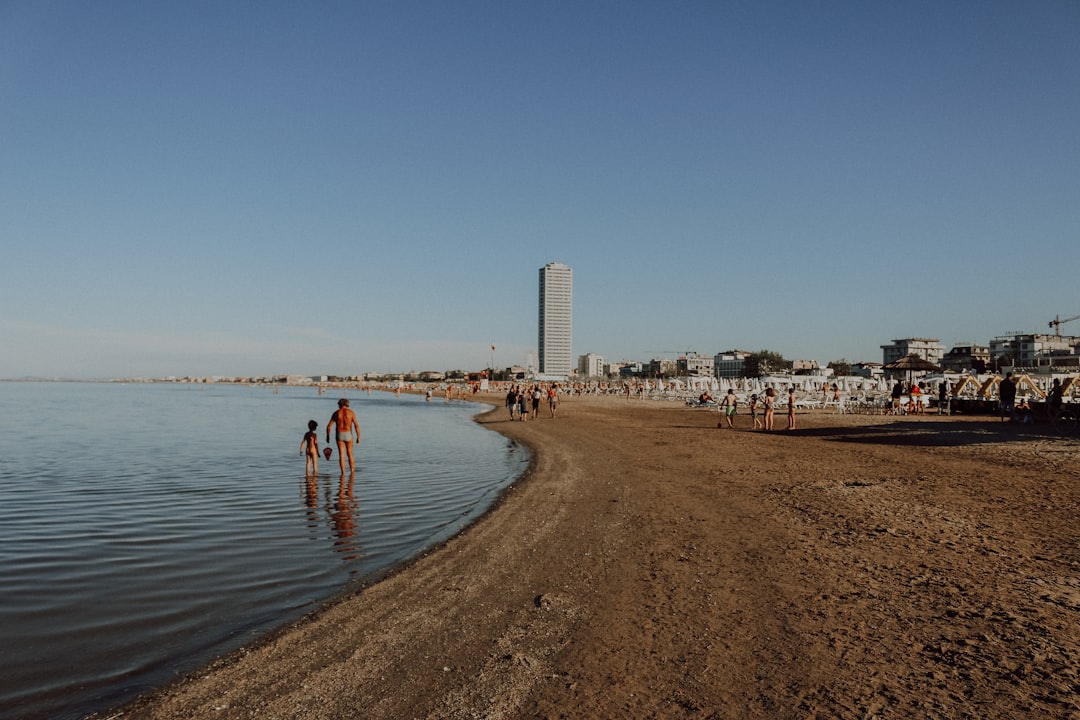
My youngest came out of the water at the beach near Los Alcázares last Tuesday with a red welt across her shin and a look on her face like she'd trodden on a plug socket. Cue an interrupted ice cream, a lot of drama, and me frantically googling "jellyfish sting Mar Menor" while trying to look calm. She's fine now, obviously. But it reminded me that every August, without fail, the same conversation happens on every terrace and every beach towel from Santiago de la Ribera to Lo Pagán: is it a bad jellyfish year, and what do we actually do if the kids get stung?
So here's the lowdown, from someone who's been dealing with this every summer for years and has finally stopped panicking about it.
Know What You're Dealing With
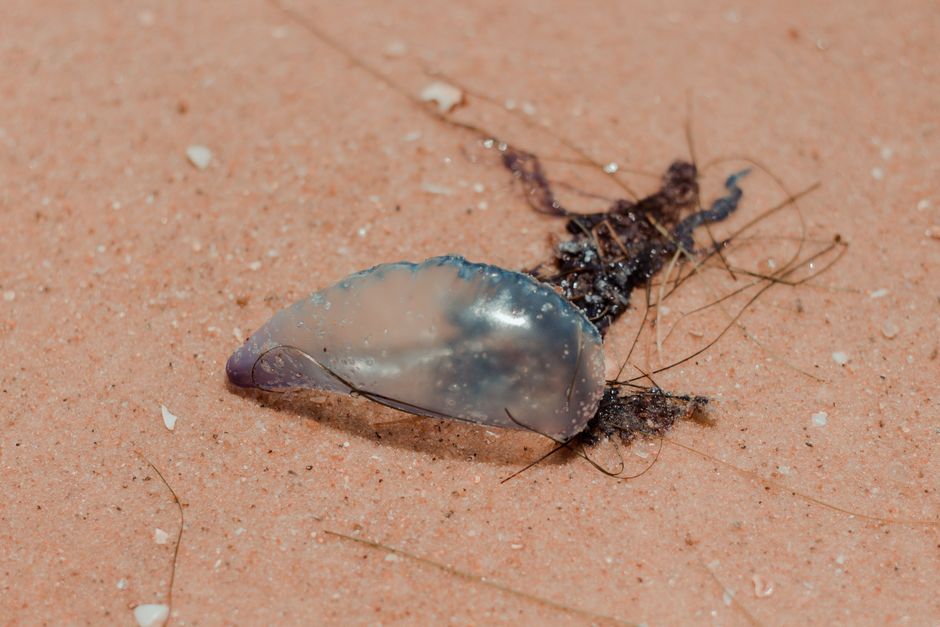
The Mar Menor gets two main culprits in August. The first is the "huevo frito", or fried egg jellyfish, which looks exactly like its name suggests: a blob with a yellow yolk in the middle. It looks alarming but its sting is mild, more of an itch than anything else. The second is the compass jellyfish, browner with distinctive markings, and this one you want to avoid. Its sting is properly unpleasant and can leave a mark for days. Out on the open sea side, around Cabo de Palos and La Manga's ocean-facing beaches, you'll also get the mauve stinger, small, purple, and best given a very wide berth.
Numbers go up and down with the wind. A few days of onshore breeze pushes them into the shallows, so if you see a red flag or a jellyfish warning sign at the lifeguard post, believe it. Some beaches along the Mar Menor put up a specific jellyfish flag separate from the usual swimming ones, worth learning to spot before you even get your towel out.
If Someone Does Get Stung
Forget what you've seen in films. Nobody needs to wee on anyone. Here's what actually works:
- Rinse the area with seawater, not fresh water. Fresh water winds up the stinging cells even more.
- Pick off any bits of tentacle with tweezers or the edge of a card, never your bare fingers.
- Apply heat if you can, a hot (not scalding) shower or a flannel soaked in warm water eases the pain better than ice for most Mediterranean species.
- Antihistamine cream or tablets help with the itching and swelling that follows.
- Watch for anything beyond a normal sting: difficulty breathing, swelling of the face or throat, or a sting covering a large area of a small child. That's a job for the pharmacy or, if it's serious, the health centre in Los Alcázares or San Javier.
Most stings calm down within an hour or two with nothing more than grumbling and a lolly as compensation. Keep a small bottle of vinegar in the beach bag anyway, it doesn't help with every species but it's useful for the ones it does, and it makes you look like you know what you're doing.
Where They're Worse (and Where They're Not)
The calm, shallow water that makes the Mar Menor brilliant for young kids and paddleboards is the same thing that lets jellyfish drift in without much resistance. Beaches with seagrass or floating algae tend to collect more of them, so if you spot patches of weed near the shoreline, it's worth a scout before the kids charge in. The open sea beaches around Calblanque and Cabo de Palos get fewer of the lagoon species but do occasionally see mauve stingers blow in from deeper water, so it swings both ways.
If you're staying at one of the holiday rentals near Roda Golf, you're close enough to both coasts to pick whichever side is having a quieter jellyfish week. Check the beach noticeboards or ask at the chiringuito, the staff usually know before anyone else does.
A Few Sensible Habits for the Rest of the Summer
None of this means keeping the kids out of the water all August, that would be miserable and pointless. A few habits make a real difference though. Teach them to wade in rather than dive, so they've got a chance to spot anything floating before they're in it up to their neck. Rash vests aren't just for sunburn, they cover a good chunk of skin that would otherwise be exposed. And check the free Info Medusas app before you head out, it's run using reports from lifeguards and beachgoers along the whole Murcia coast and it's genuinely useful for deciding which beach to pick that day.
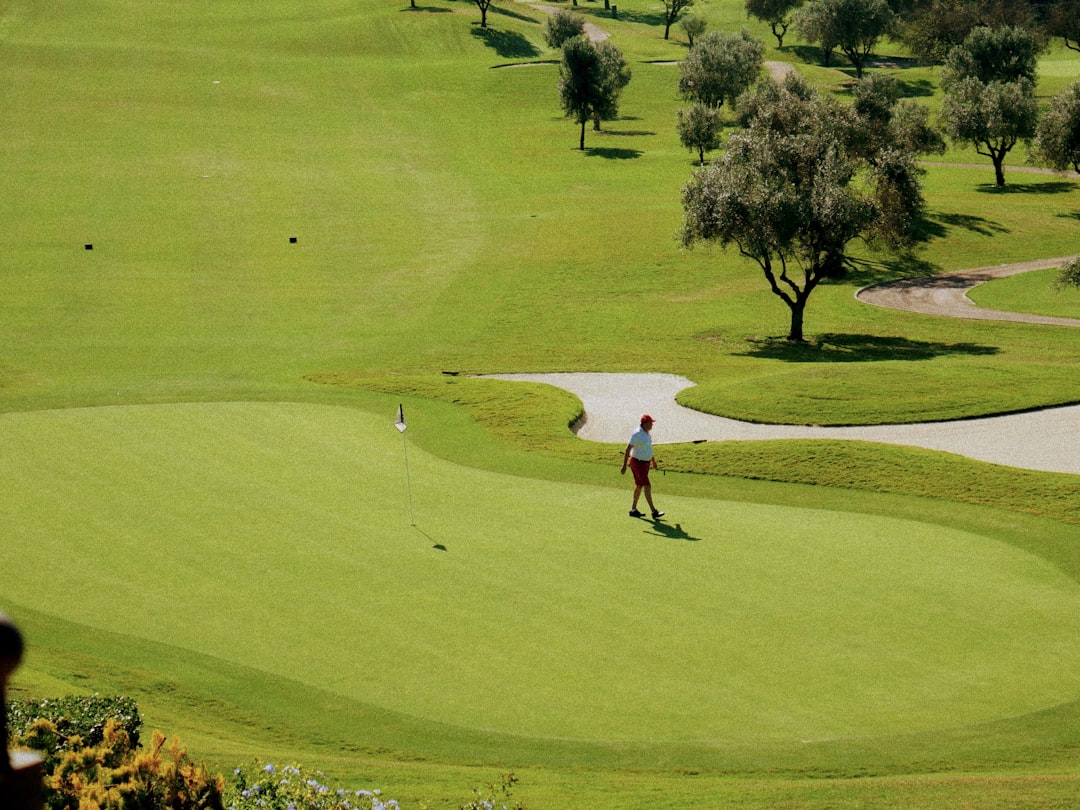
If you fancy a change of scenery from the beach entirely, a morning on the fairways is one guaranteed jellyfish-free activity. Have a look at the golf courses near the Mar Menor for something to fill a morning while the kids recover from yesterday's drama with an ice cream and a plaster.
Jellyfish season is just part of the rhythm of an August round here, like the siesta or the queue at the Wednesday market. It's not something to lose sleep over, just something to plan around. For more on what August actually looks like day to day in this corner of Murcia, our guide to the Los Alcázares and San Javier area covers the practical stuff, and if you've got questions about visiting or staying nearby, you can always get in touch with us directly.
My daughter, for the record, was back in the water within the hour, sting forgotten, ice cream demanded and delivered. That's about the size of it most years.
You might also enjoy reading about Santiago de la Ribera's Palm-Lined Paseo: A Local's August Evening Guide.
You might also enjoy reading about Roda Golf's August Sunset Tee Time Guide: Beat the Crowds.
You might also enjoy reading about We Rented Kayaks for a Family Sunset Paddle Near Roda Golf.
You might also enjoy reading about Caldero Night: Cooking Mar Menor's Rice Dish This September.
You might also enjoy reading about How to Enjoy September's Empty Beaches Near Roda Golf With Kids.
You might also enjoy reading about Los Narejos vs Los Alcázares: Best Family Beach for September.
You might also enjoy reading about We Sailed to Isla Perdiguera: Mar Menor's Uninhabited Island.
You might also enjoy reading about We Took the Kids Back-to-School Shopping in Cartagena's Old Town.
You might also enjoy reading about How to Cycle the Mar Menor Coastal Path in One Autumn Day.
You might also enjoy reading about 5 Rainy-Day Activities for Kids Near Roda Golf This Autumn.
You might also enjoy reading about How to Play Roda Golf After October Rain: Course Conditions Guide.
Roda Golf Team
The official Roda Golf and Beach Resort team, bringing you the latest news, tips, and insights about life at the resort.