Roda Golf's Trickiest Holes: A Course Guide for Spring
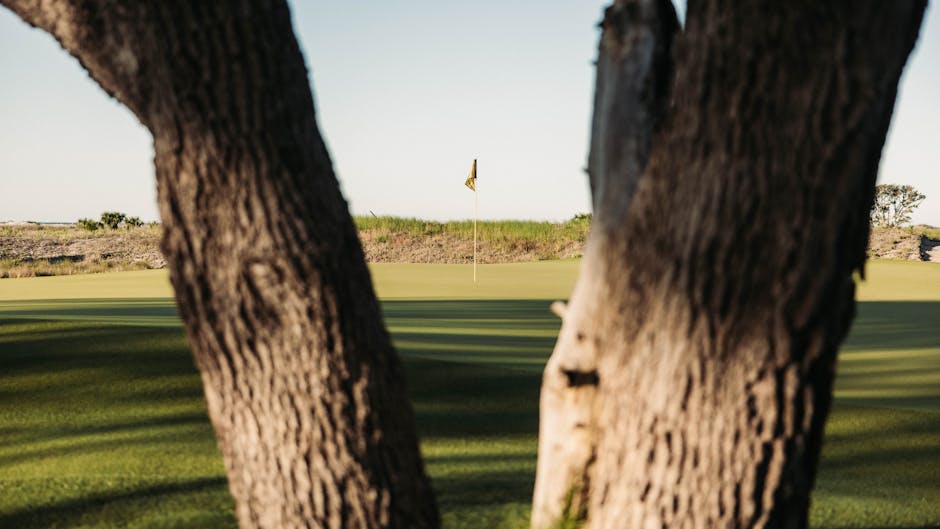
There's a specific hole at Roda Golf that has quietly destroyed more good scorecards than any other. You'll hear the same phrase in the clubhouse bar afterwards, from visitors and regulars alike: "It looked fine from the tee." And that's exactly the problem.
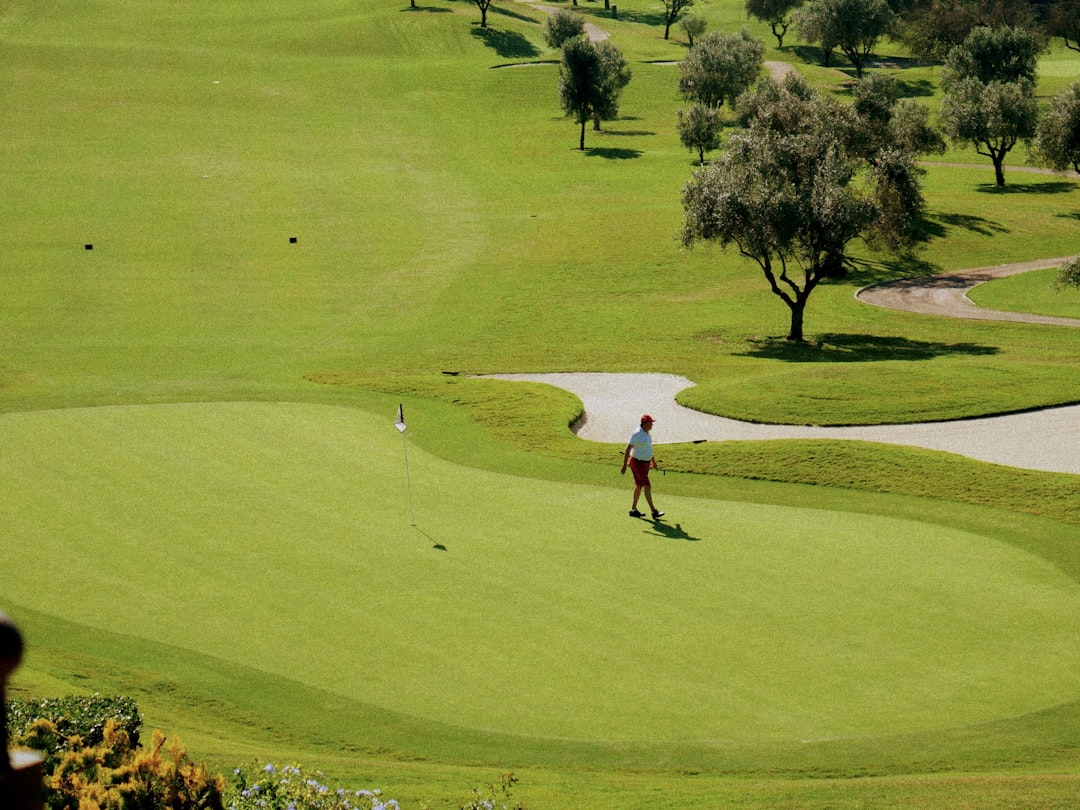
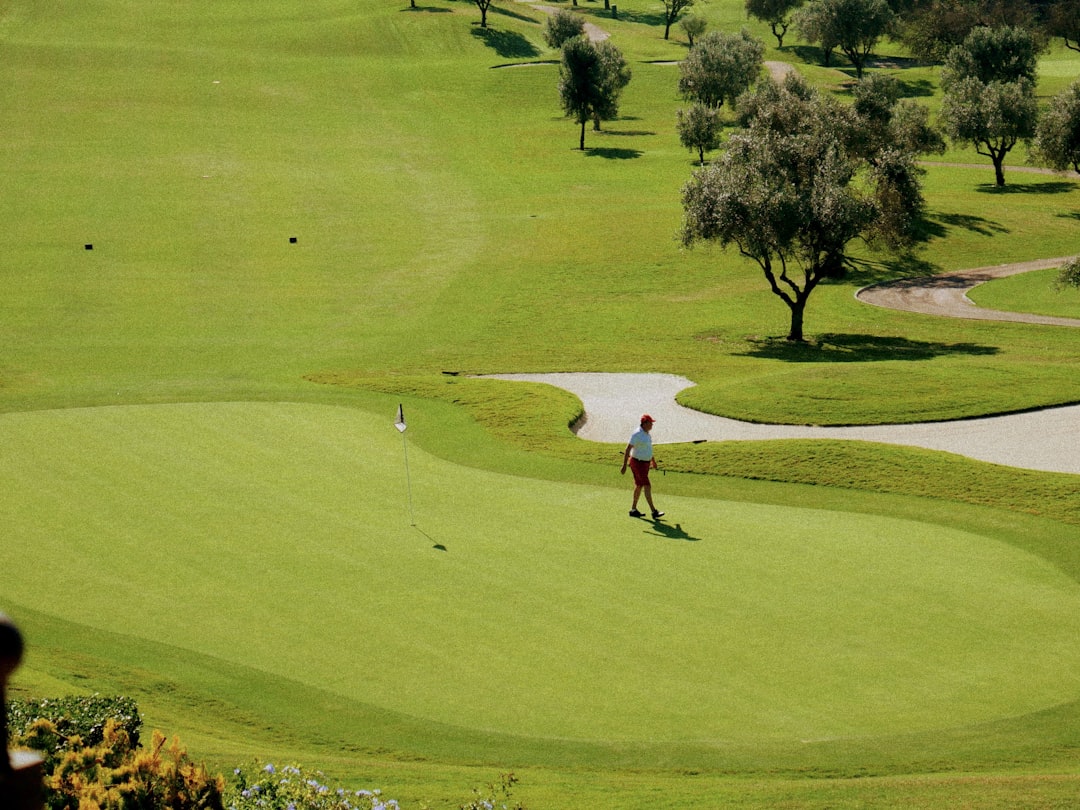
Spring is when this course is at its most seductive. The fairways are in their best shape, the bougainvillea around the clubhouse is starting to come into colour, and the Mar Menor sits out there in the distance like a sheet of pale blue glass. Everything looks inviting. And then the course reminds you, firmly, that it has opinions of its own.
I've been playing Roda Golf for years. I've played it in the morning calm and in the afternoon Levante, in competitions and casual four-balls, with scratch golfers and beginners who spent most of their round retrieving balls from places they didn't expect. Here's what I wish someone had told me before my first proper round out here.
The Front Nine: More Character Than It Looks
The opening holes can give you a slightly misleading impression. They open up well enough, and on a calm spring morning, it's tempting to think you've got the measure of the place. You haven't.
The par 3s are where Roda starts making its point. There are moments on this course where the pin placement, the slope of the green, and the sea breeze conspire in ways that only become obvious after the ball has already gone. One of the par 3s plays over water, and in April the Levante can carry a mid-iron off line without you feeling it properly until it's too late. The advice I give every visitor is the same: aim at the centre of the green and take one more club than you think you need. Brave pin-hunting here costs you strokes every single time.
There's also a dog-leg on the front nine where first-timers consistently take the wrong line off the tee. It looks like you should be cutting the corner. You shouldn't. The angle back to the fairway from the rough on the left is far worse than the longer route around the bend. Play it straight, accept the lay-up mentality, and you'll make far more pars than the people who try to be clever.
The Back Nine: Where Scorecards Go Wrong
This is where Roda Golf really shows its hand. The back nine plays differently in spring than at any other time of year, partly because of the light (afternoon rounds in April mean the sun can sit low and directly in your eyeline on certain tee shots), and partly because the course firms up and quickens as the day warms up.
One of the longer par 4s toward the end of the round catches out almost every visitor. Generous fairway, no obvious drama, nothing to immediately alarm you. But the approach shot is quietly deceptive. The green sits at a slight angle to the fairway, and the bunker placement on the right punishes a fade heavily. Players who know the course aim ten yards left of the flag with one extra club. First-timers tend to find the sand and spend the next five minutes trying to make bogey.
I played a four-ball here recently with a couple of friends visiting from Manchester, both genuine single-figure golfers who play a lot of course golf back home. They both shot six or seven over their usual form on the back nine. By the 15th hole they were shaking their heads. The course hadn't given them anything dramatic to point at. It just absorbed their confidence quietly and handed back a scorecard they couldn't explain. That's Roda in spring. It's not brutal. It's just quietly, reliably testing.
There's a running joke among the regulars at the 19th hole: "How many did the back nine cost you?" It's rarely a small number on your first visit.
What April Specifically Changes
The greens in April are generally quick and true, which is when the course is at its best. But they carry more subtle break than you'd expect. Several greens here slope very slightly toward the Mar Menor, and putts that look dead straight will break toward the lagoon. It's not dramatic, but on a tight chip or a mid-length putt, it costs you.
The other thing worth knowing is the morning vs. late morning difference. Starting at 8am, there's dew on the fairways and shots stop shorter on landing. By 11am the sun has done its work and the same shot runs five or six yards further. If you're playing in a competition, this isn't a small detail. It changes your club selection on approaches, and it changes how you play to the front edges of greens.
Morning tee times in April fill up fast. The local Spanish players are out from 9am, and the visiting golfers from across Europe are booking up alongside them. If you want the course in its best condition and with decent pace of play, get in early or go after 2pm when the midday crowd has cleared. The late afternoon light here is genuinely lovely, and the pressure feels different once the competitive morning crowd has gone through.
A Word on Course Management
There's genuine value in walking the course at least once before you play a competition round. The layout rewards knowledge. Knowing where the sensible bailout areas are on the tricky holes (short and left on several approach shots, short of the water on the par 3s) takes strokes off your scorecard before you've even hit a ball.
If you're staying nearby, the ability to get out early without a long drive makes a real difference to how relaxed your round feels. Those staying in holiday rentals near Roda Golf can be on the first tee in minutes rather than fighting traffic from further up the coast. You turn up with your coffee, look at the first tee, and decide what kind of round you want to have today.
For anyone exploring the wider area, there are several other courses within easy reach of San Javier worth knowing about. You can find the full list on our Murcia golf courses guide, which covers the options from La Manga Club to the courses around Cartagena and Mazarrón. Some make Roda look straightforward by comparison. Most don't.
The tricky holes at Roda aren't designed to humiliate you. They're designed to reward players who think before they swing, who know the course, who respect what the spring conditions are doing to the ground and the air. Learn them properly and your scorecard starts to reflect it. Try to overpower them and the course wins. It always does.
You might also enjoy reading about Torre Pacheco: Your Essential Local Town Guide from Roda Golf.
You might also enjoy reading about Roda Golf's New Golf Academy Opens for Summer 2026 Bookings.
You might also enjoy reading about May Dining in Murcia: 5 Restaurants Worth the Drive from Roda.
You might also enjoy reading about Roda Golf Resort Launches Summer 2026 Events Programme.
You might also enjoy reading about Totana's Easter Ruins: A May Day Trip Near Roda Golf.
You might also enjoy reading about Summer Golf at Roda: 5 Tips for Playing in June Heat.
You might also enjoy reading about Costa Cálida Golf Twilight Deals: Best June Tee Times 2026.
You might also enjoy reading about Mazarrón: Murcia's June Coastal Gem Near Roda Golf.
You might also enjoy reading about Snorkelling the Mar Menor with Kids: A June Family Guide.
You might also enjoy reading about Where to Eat Alfresco Near Roda Golf This June 2026.
You might also enjoy reading about La Manga Strip: June Sightseeing Guide from Roda Golf.
You might also enjoy reading about Jun Waterparks Near Roda Golf: Best for Kids This Summer.
You might also enjoy reading about Roda Golf Summer 2026: July Events Just Announced.
You might also enjoy reading about Beat the June Heat: Roda Golf's Best Early Morning Tee Times.
You might also enjoy reading about Cartagena: Roman Ruins Day Trip from Roda Golf in June.
You might also enjoy reading about Murcia City Cathedral & Old Town: Half-Day Trip from Roda.
You might also enjoy reading about Roda Golf Resort Announces August 2026 Tournament Calendar.
You might also enjoy reading about Roda Golf's 5 Most Scenic Holes: A Summer Course Guide.
You might also enjoy reading about Paparajotes: Where to Try Murcia's Signature Dessert Near Roda.
You might also enjoy reading about Jun Beach BBQ Spots for Families Near Roda Golf 2026.
You might also enjoy reading about Roda Golf Resort's Junior Golf Academy Opens July 2026.
You might also enjoy reading about How to Read Roda Golf's Greens: A Course Strategy Guide.
You might also enjoy reading about 5 Summer Night Markets Near Roda Golf: June 2026 Guide.
You might also enjoy reading about Lorca Castle: Murcia's Fortress Day Trip from Roda Golf.
You might also enjoy reading about Beat July's Heat: Murcia's Best Granizados Near Roda Golf.
You might also enjoy reading about 5 Air-Conditioned Family Activities Near Roda Golf for July 2026.
You might also enjoy reading about Roda Golf Debuts New Clubhouse Restaurant Menu for Summer 2026.
You might also enjoy reading about 5 Golf Gear Essentials for Surviving Roda's July Heat.
You might also enjoy reading about Roda Golf vs La Manga Club: Which Suits July Golfers?.
You might also enjoy reading about We Tried Murcia's Pastel de Carne: A Local Bakery Crawl Near Roda.
You might also enjoy reading about Terra Natura Murcia: A Family Day Trip From Roda Golf.
You might also enjoy reading about Roda Golf Resort Launches Free Beach Shuttle for July 2026.
You might also enjoy reading about How to Fix Your Golf Slice: A Roda Golf Pro's July Drills.
You might also enjoy reading about Roda Golf's Kids' Club: A Parent's Guide to July 2026 Camps.
You might also enjoy reading about Roda Golf Completes New Irrigation Upgrade Ahead of August Heat.
You might also enjoy reading about How to Keep Toddlers Cool at Roda Golf: A July Survival Guide.
Roda Golf Team
The official Roda Golf and Beach Resort team, bringing you the latest news, tips, and insights about life at the resort.