Cabo de Palos Marine Reserve: Best Spring Snorkelling
Most people drive straight past Cabo de Palos on their way to La Manga. That's their loss. The small village sitting at the base of that iconic lighthouse is the gateway to one of the best-protected marine reserves on the Mediterranean coast, and March through May is the time to be in the water here.
The Reserva Marina de Cabo de Palos e Islas Hormigas covers around 19,000 hectares of protected seabed. Commercial fishing has been banned inside the core zones since 1995, which means the fish populations here are genuinely staggering compared to most of the Spanish coastline. Large grouper (mero) hold position under rocks in just two or three metres of water. Big ones. The kind you won't see anywhere else unless you're doing serious technical diving.
Why March and April Are the Sweet Spot
The water temperature in late March sits around 14-15°C. Cold? Yes, you'll want a wetsuit. But the visibility in spring, before the summer boat traffic and the worst of the algae bloom, regularly hits 15 to 20 metres. The marine life is active and the surface isn't heaving with day-trippers from Cartagena.
By June the reserve gets busy. Dive boats are queuing up, snorkellers are competing for the best spots by the rocks, and the weekend parking situation in the village becomes genuinely unpleasant. In March you'll have stretches entirely to yourself.
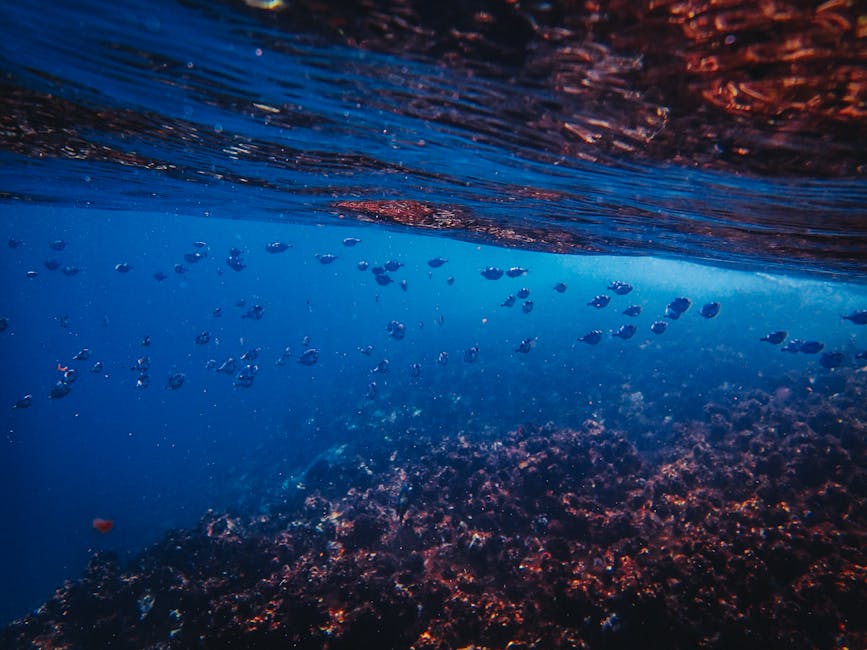
Spring also brings out the octopus. They hunt actively in shallower water after winter, and it's not unusual to spot two or three on a single session along the rocky shoreline. Sea bream shoals, barracuda moving through, the occasional seahorse clinging to posidonia seagrass. Those seagrass meadows (posidonia oceanica) are protected and form the base of the whole ecosystem. Don't anchor in them, don't stand on them.
Where to Actually Get in the Water
Forget the main beach in the village. The snorkelling worth doing is off the rocks.
The rocky stretch to the right of the lighthouse (facing the sea) is your first stop. You can scramble in from the shore with fins and a mask at low to medium tide. The depth drops quickly to 6-8 metres and the rock formations hold fish. It's uneven underfoot getting in, so water shoes are worth the faff.
Cala del Pino, a short drive along the coast road toward Cartagena, is a small cove with a sandy entry point and rocky flanks on both sides. Easier access, still good marine life, and almost empty in March. Park on the dirt track above and walk down. It's the kind of spot that gets posted on Instagram in August and suddenly becomes everyone's "secret beach." In March it's still genuinely quiet.
For anyone willing to hire a kayak or small inflatable, paddling out to the rocks around the cape itself gives access to spots you simply can't reach on foot. There are a couple of dive centres in the village that run guided snorkel sessions in spring. Worth doing once to understand the layout and the best entry and exit points.
What You'll Realistically See
I'll be straight with you. You're not in the Maldives. The Med in spring is blue-green, not crystal-clear tropical blue. Visibility varies day to day depending on wind direction. An easterly (Levante) will stir things up and knock it right back. Check the forecast before you drive out. A calm day following a few days of westerly wind will give you the best conditions.
What you will consistently find along the rocky sections: large moray eels tucked into crevices, grouper sitting in plain sight (they're protected and have largely lost their fear of humans), painted combers, ornate wrasse, starfish, sea urchins, and in the seagrass, the odd seahorse if you're patient and quiet. The Islas Hormigas offshore are the main dive destination, but the snorkelling around the cape itself is underrated and perfectly accessible without a boat.
Turtles turn up occasionally in spring. Not guaranteed, but not unusual either. Enough of them that it's worth keeping an eye on the surface as well as the bottom.
Before You Go: The Practical Stuff
Parking in Cabo de Palos village fills up on weekends from Easter onwards. Go on a Tuesday or Wednesday morning in March and it's easy. The drive from Roda Golf or Los Alcazares takes around 20-25 minutes depending on traffic through San Javier.
Bring your own snorkel kit if you can. A decent mask, fins, and a 3mm wetsuit minimum is the sensible kit list for March. The cold won't stop you entirely but it will cut your session short without a suit.
After the water, the village earns its keep. Bar El Mosqui has been serving caldero (rice cooked in fish stock, the local dish of this coastline) for decades, and the terrace is good in spring sun. Not cheap, but worth it once. There are simpler tapas bars along the main street that won't punish your wallet.
The reserve's rules are straightforward: no fishing, no collecting anything (shells, urchins, coral), no anchoring in the seagrass, and stay 50 metres from the Islas Hormigas without a permit. Most snorkellers coming from shore won't get anywhere near the island restriction anyway.
If you're making a day of it, the drive out past La Manga along the spine of the strip gives you views over the Mar Menor on one side and the open Mediterranean on the other. Pair it with a walk up to the lighthouse for the view, which on a clear spring morning stretches all the way toward Cartagena. If you're also planning rounds on the fairways while you're in the area, the golf courses near Mar Menor are within easy reach of the reserve. It's a straightforward combination of a morning on the water and an afternoon tee time.
Spring fills up faster than people expect once the school holidays kick in. If you're looking at holiday rentals near Roda Golf for a spring break, the marine reserve is thirty minutes from the resort and fully worth building a day around. For more on what the Costa Calida area has to offer beyond the beaches and golf, there's plenty within a short drive that most visitors never get round to.
You might also enjoy reading about Roda Golf's New Clubhouse Menu: Spring 2026 Dining Revealed.
You might also enjoy reading about Cartagena Day Trip: Ancient Ruins & Harbour from Roda Golf.
You might also enjoy reading about Roda Golf's Trickiest Holes: A Course Guide for Spring.
You might also enjoy reading about Torre Pacheco: Your Essential Local Town Guide from Roda Golf.
You might also enjoy reading about Los Alcázares in May: Mar Menor's Best Waterfront Town.
You might also enjoy reading about Mazarrón: Murcia's June Coastal Gem Near Roda Golf.
You might also enjoy reading about Snorkelling the Mar Menor with Kids: A June Family Guide.
You might also enjoy reading about Cartagena: Roman Ruins Day Trip from Roda Golf in June.
You might also enjoy reading about 5 Summer Night Markets Near Roda Golf: June 2026 Guide.
You might also enjoy reading about 5 Things to Know About Cartagena's La Mar de Músicas Festival.
You might also enjoy reading about We Joined the Virgen del Carmen Procession in Los Alcázares.
You might also enjoy reading about We Tried Murcia's Pastel de Carne: A Local Bakery Crawl Near Roda.
You might also enjoy reading about We Caught San Javier's Free July Jazz Festival Concerts.
You might also enjoy reading about We Chased Sunset From El Cristo de Monteagudo's Hilltop Castle.
You might also enjoy reading about We Watched La Manga's July Fireworks Over the Mar Menor.
Roda Golf Team
The official Roda Golf and Beach Resort team, bringing you the latest news, tips, and insights about life at the resort.