La Manga del Mar Menor: 5 Must-See Spots for Winter Visitors
February is when La Manga del Mar Menor shows you what it's actually like to live here. The summer crowds are gone, the prices have dropped, and the area stops performing for tourists and just gets on with being itself. Most visitors skip it in winter based on assumptions that don't hold up. Here are the five spots genuinely worth your time, along with the misconceptions that tend to put people off.
What People Get Wrong About La Manga in Winter
The biggest myth is that La Manga closes in winter. It doesn't. Some of the beach chiringuitos board up after September, yes, but the restaurants, the fish market at Cabo de Palos, and the permanent towns all carry on as normal. Spanish residents who live here year-round still want their Sunday lunch. The difference is you won't be queuing for a table.
The second myth is that the Mar Menor is too cold to bother with. The lagoon stays warmer than the open Mediterranean through winter because of the way the La Manga strip shelters it. Water temperature in February sits around 12-13°C, which rules out swimming for most of us, but the beaches are flat, calm, and perfect for a long walk. You'll often see locals doing exactly that on weekend mornings, which tells you something.
The Five Spots Worth Your Time
Cabo de Palos
People think of Cabo de Palos as a summer diving spot and nothing more. In winter, it's actually better for food. The restaurant terraces thin out, and you can get a table at places that would have you waiting an hour in August. The fishing boats still go out, so the seafood is as fresh as it gets. Order the caldero, a local rice dish cooked with fish that's nothing like generic paella, sit at the harbour, and take your time. The lighthouse walk takes about 20 minutes up to the headland, and on a clear February day the views back across the Mar Menor are worth every step.
Lo Pagan and the Salt Flats
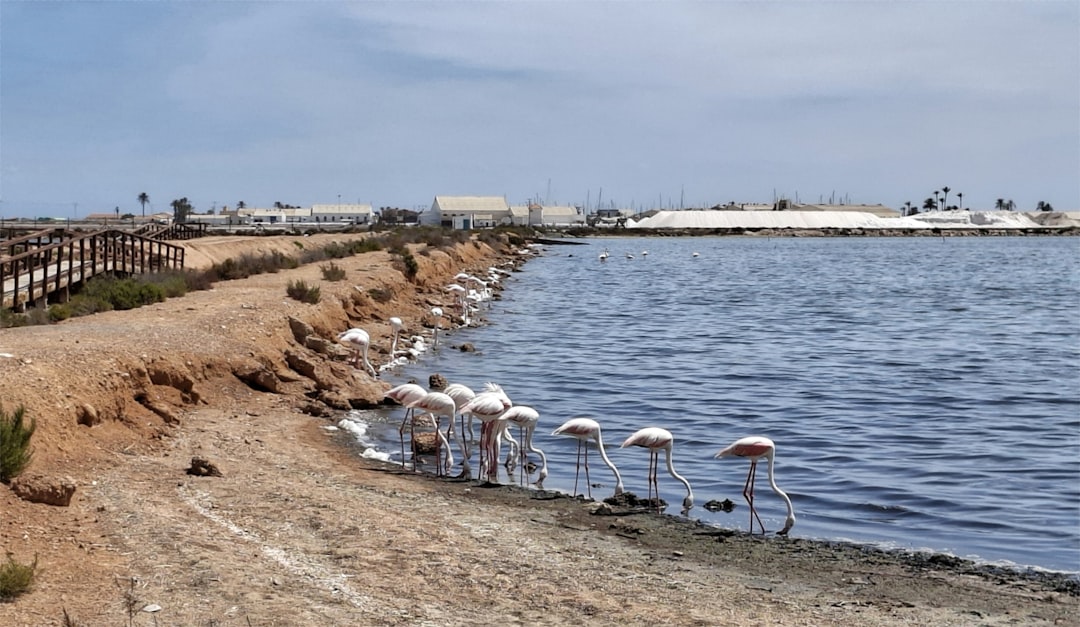
The mud baths at Lo Pagan are not a summer-only thing, despite what most people assume. The natural mud deposits along the shore near the salt flats are there year-round. On winter mornings you'll find older Spanish residents wading in and covering themselves head to toe. It looks odd. Apparently it works. More usefully for February visitors, the Salinas de San Pedro salt flats attract flamingos during winter migration, often in bigger numbers than summer. Take binoculars. It costs nothing and it's genuinely striking.
The Los Alcázares Seafront
The paseo maritimo at Los Alcázares in February is one of the more underrated walks on this coast. Almost nobody is on it. The promenade runs along the Mar Menor shoreline and the winter light, lower and softer than summer, is noticeably better for photographs. Wednesday morning is market day in Los Alcázares, which is worth building a visit around. Fresh produce, cheap olives, local honey. It's not a tourist market; it's where locals actually shop. If you're considering staying nearby, there are good holiday rentals near Roda Golf that put you within easy reach of all of this.
The North End of the La Manga Strip
Most people who write off La Manga are picturing the southern end, which can feel like a slightly worn-out 1970s resort at the best of times. Head north, into the quieter residential section, and it's a different place entirely. In winter the main avenue is almost silent. Walk the Mediterranean side, the outer beach that faces the open sea rather than the lagoon, and you'll have long stretches entirely to yourself. The outer beach in February can have decent swell coming in, and watching it from an empty beach while the rest of Europe is under grey skies has a certain appeal that's hard to argue with.
Playa de Calblanque
Slightly outside the La Manga strip proper, Calblanque is a protected natural park with undeveloped beaches reached via a dirt track. It's always quieter than commercial beaches, but in winter it can feel genuinely remote. Dunes, pine trees, rocky coves, no bars, no sunbeds. You'll need a car to get there, about 15 minutes from the strip, but go on a calm February morning when the Mediterranean is flat and you'll understand exactly why people move to this part of Spain.
A Few Practical Points
Hire a car. Public transport to most of these spots is either infrequent or non-existent in winter. Budget around €30-40 a day for a small rental and fill up at a supermarket petrol station rather than motorway services.
Most restaurants in the area offer a menu del dia at lunch: three courses with wine for €10-13. Order this instead of à la carte and you'll eat very well without spending much. Dinner runs later than you'd expect even in February. Arriving at 7pm, you'll likely be the first person in the restaurant. Nine o'clock is more normal.
For golf, February is genuinely one of the better months to play in this area. Courses are in good condition, prices are lower than peak season, and you're not fighting 35-degree heat by the back nine. You can find a solid overview of golf courses near La Manga and Roda Golf Resort if you're planning your rounds in advance. If you want to explore more of what the region offers beyond golf, the sightseeing section of the blog covers quite a bit of ground. And if you've got specific questions about winter lets or what's available in the area, the contact page is the quickest way to get a straight answer.
You might also enjoy reading about 5 Spring Golf Tournaments Near Mar Menor to Enter in 2026.
You might also enjoy reading about 5 Family Cycling Routes Around Mar Menor This Spring.
You might also enjoy reading about Murcia City Day Trip: Cathedral, Real Casino & Tapas in April.
You might also enjoy reading about Los Alcázares in May: Mar Menor's Best Waterfront Town.
You might also enjoy reading about 5 Chiringuitos Opening on Mar Menor This May 2026.
You might also enjoy reading about 5 Family Boat Trips on Mar Menor to Book This May 2026.
You might also enjoy reading about Totana's Easter Ruins: A May Day Trip Near Roda Golf.
You might also enjoy reading about Snorkelling the Mar Menor with Kids: A June Family Guide.
You might also enjoy reading about La Manga Strip: June Sightseeing Guide from Roda Golf.
You might also enjoy reading about Murcia City Cathedral & Old Town: Half-Day Trip from Roda.
You might also enjoy reading about Caldero del Mar Menor: Where to Eat Murcia's Iconic Rice Dish.
You might also enjoy reading about Jun Family Sunset Cruises on Mar Menor: Book Before July.
You might also enjoy reading about Jun Beach BBQ Spots for Families Near Roda Golf 2026.
You might also enjoy reading about Lorca Castle: Murcia's Fortress Day Trip from Roda Golf.
You might also enjoy reading about Roda Golf vs La Manga Club: Which Suits July Golfers?.
You might also enjoy reading about 5 Things to Know About Cartagena's La Mar de Músicas Festival.
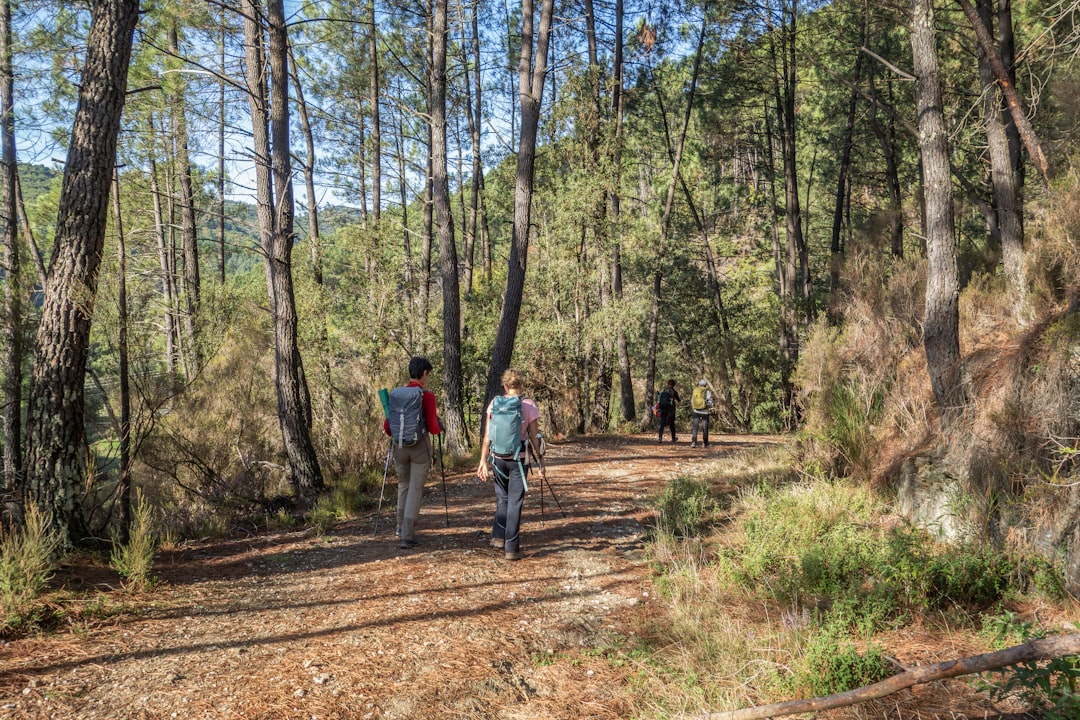
You might also enjoy reading about We Escaped July's Heat in El Valle Regional Park's Pine Shade.
You might also enjoy reading about We Joined the Virgen del Carmen Procession in Los Alcázares.
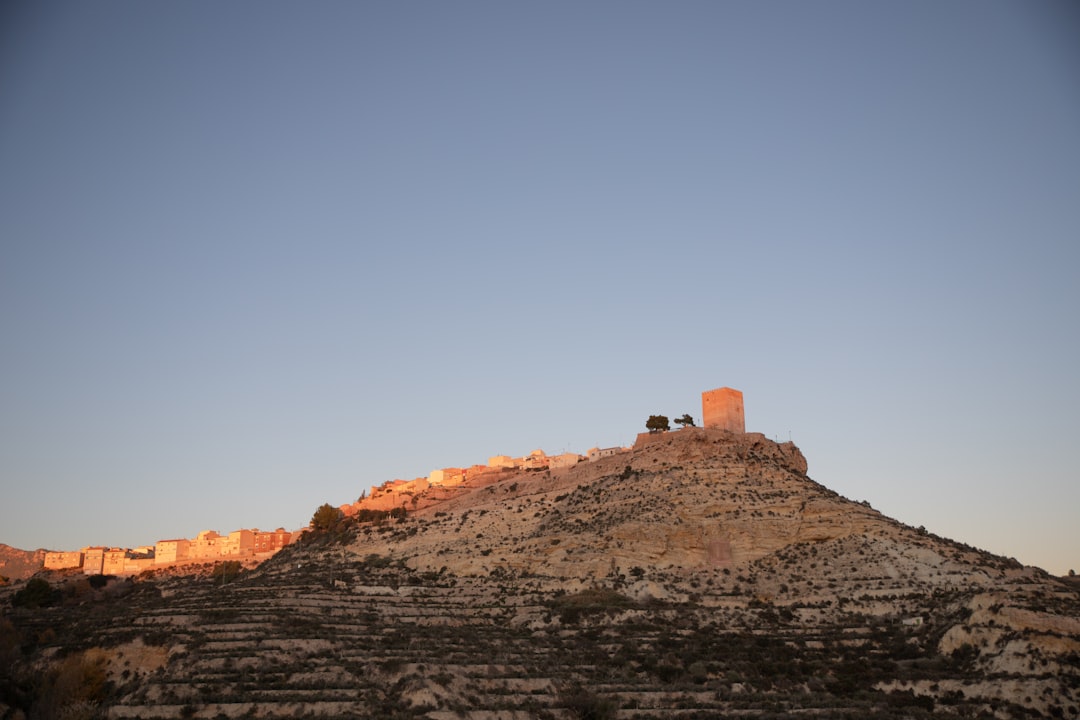
You might also enjoy reading about We Chased Sunset From El Cristo de Monteagudo's Hilltop Castle.
Roda Golf Team
The official Roda Golf and Beach Resort team, bringing you the latest news, tips, and insights about life at the resort.